
Swimming With Dolphins Bali: How to Prepare for Your First In-Water Experience
Embarking on your very first swimming with dolphins bali adventure is an extraordinary milestone that promises unforgettable memories. However, stepping into an aquatic environment with marine mammals requires more than just showing up with swimwear and a towel. A truly rewarding Bali dolphin experience begins long before you step onto the platform or enter the water; it starts with thoughtful mental and physical preparation, understanding safety procedures, and respecting the natural boundaries of the animals.
Unlike typical beginner guides that focus heavily on comparing ticket prices, package tiers, or facility rates, this guide is designed entirely around you—the participant. Whether you are planning a first dolphin swim or looking forward to an immersive dolphin interaction Bali session, this comprehensive preparation guide will help you build water confidence, manage pre-dive nerves, and set realistic expectations for your upcoming encounter.
Check Your Physical Readiness Before the Experience
Before diving into any water-based wildlife activity, taking an honest inventory of your physical readiness is essential. Providers of any reputable dolphin swimming preparation program typically outline specific health requirements, age limits, and participation guidelines to ensure guest safety.
- Review Health Guidelines: Always check the specific medical and physical prerequisites established by your chosen facility. Never assume that every program has identical health restrictions.
- Disclose Relevant Conditions: If you have any physical limitations, mobility concerns, or medical conditions, it is crucial to communicate these clearly to the staff before your session begins.
- Prioritize Rest and Hydration: Ensure you get adequate rest the night before and stay hydrated, as physical activity in an aquatic environment can be surprisingly tiring.
- Follow Provider Pre-Session Guidance: Adhere strictly to any pre-activity instructions issued by the coordinators regarding eating schedules, jewelry removal, or sunscreen application.
Rather than assuming that all participants need an identical level of athleticism or fitness, always verify the exact physical criteria directly with your activity provider.
Managing Nervousness Before Getting Into the Water
Feeling a mild flutter of nerves before your first dolphin swim is completely normal. Entering an unfamiliar aquatic environment, meeting large marine mammals up close, and facing new surroundings can naturally trigger anticipation or anxiety.
- Understand That Nerves Are Natural: Acknowledge your feelings without self-judgment. Excitement and anxiety often manifest similarly in the body.
- Learn the Activity Flow: Ask staff to walk you through the schedule step-by-step so you know exactly what will happen from the moment you arrive until the session concludes.
- Avoid Rushing: Give yourself plenty of time to check in, change clothes, and listen to briefings without feeling hurried.
- Communicate Discomfort Early: Remember that you can speak up if you feel overwhelmed. Trainers and staff are there to support you every step of the way.
If you ever feel uncertain during your preparation, do not hesitate to ask clarifying questions. You can use these practical English phrases when speaking with your coordinators:
- “Could you explain what will happen before we enter the water?”
- “What should I do if I feel nervous?”
- “Can I ask for help if I feel uncomfortable?”
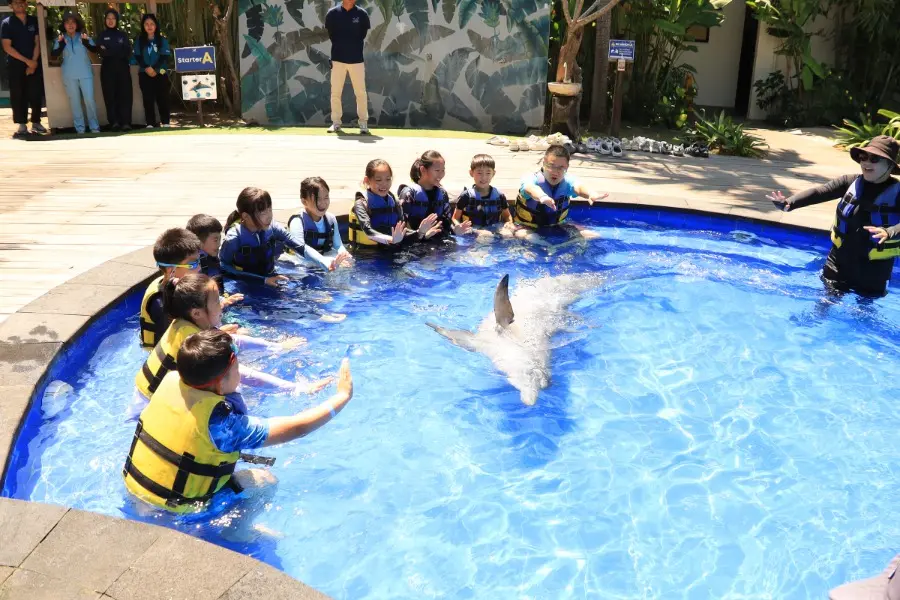
Understanding Water Confidence and Personal Comfort
Water confidence is a personal state of mind that varies greatly from person to person. It is important to distinguish between simply being comfortable around water, being able to follow instructions in an aquatic setting, and possessing advanced swimming skills.
- Assess Your Aquatic Comfort: Do not assume that an in-water program is automatically suitable for non-swimmers unless you have explicitly confirmed flotation devices, shallow-platform options, or support protocols with the provider.
- Inquire About Assistance Gear: Ask whether life vests, buoyant aids, or guided platform standings are standard parts of the session.
- Speak Up During the Session: If you experience sudden panic, struggle to maintain your balance, or feel uneasy once you are in the water, inform your trainer immediately.
- Avoid False Assurances: Recognize that entering the water does not guarantee an instant sense of ease for everyone. Give yourself permission to adapt at your own pace.
Listening to Trainer Instructions Before and During the Session
The cornerstone of any safe and memorable dolphin interaction Bali experience is attentive listening. Dolphin trainer instructions exist to safeguard both human participants and the animals, ensuring that every movement is coordinated and calm.
- Attend the Full Briefing: Pay close attention during pre-session orientations, which outline pool rules, participant positioning, interaction boundaries, and emergency signals.
- Request Clarification: If any part of the briefing is unclear, politely ask the trainer to repeat or rephrase the instructions before moving forward.
- Respect Animal Boundaries: Never attempt to touch, feed, chase, or execute unauthorized physical movements toward the dolphins unless explicitly instructed and signaled by your trainer.
- Adhere Strictly to Procedures: Do not improvise actions or assume that rules from other facilities apply here. Every environment has its own specific safety protocols.
Setting Realistic Expectations for Your First Dolphin Experience
Approaching your first dolphin swim with an open mind and realistic expectations ensures a rewarding experience. Wildlife encounters are living, dynamic interactions, not scripted performances.
- Follow Directional Cues: Be prepared to adjust your posture, hand placements, and movements according to the subtle cues and verbal instructions given by the professional trainers.
- Acknowledge Interaction Boundaries: Direct contact, physical touching, specific poses, or photo opportunities depend entirely on the animals’ comfort and immediate behavior. Never treat specific interactions as guaranteed outcomes.
- Respect Animal Responses: Dolphins are sentient animals with their own behavioral rhythms. Respecting their responses and boundaries is a core part of responsible wildlife tourism.
- Enjoy the Present Moment: Focus on the privilege of sharing space with these magnificent creatures rather than demanding a specific scenario or photograph.
Avoid making assumptions or claims that dolphins will automatically approach, swim alongside, or respond in a prescribed manner every single time.
What to Prepare Before Your Visit
Proper preparation makes your arrival smooth and stress-free. Instead of relying on general assumptions, take time to verify the specific operational requirements of your destination.
- Confirm Schedules and Arrival Times: Double-check your booking confirmation, scheduled time slots, and check-in procedures.
- Inquire About Attire and Gear: Ask what swimwear is recommended, what items must be left in lockers, and what personal belongings are permitted in the aquatic zone.
- Check Photography Policies: Review rules regarding personal cameras, smartphones, professional equipment, and whether official digital photo services are provided.
- Follow Pre- and Post-Activity Rules: Abide by all hygiene and safety regulations set by the facility before entering and after exiting the water.
- Save Important Information: Keep your booking references handy and reach out to the provider’s customer service team if you have unresolved questions prior to your visit.
Planning Your Visit to Bali Exotic Marine Park
When organizing your itinerary around a remarkable marine wildlife encounter, Bali Exotic Marine Park serves as an exceptional destination to consider. For travelers exploring options and gathering logistical insights, reviewing resources such as the Tripadvisor page for Bali Exotic Marine Park can offer a helpful overview of visitor feedback and general impressions.
While reading visitor reviews on platforms like Tripadvisor can provide valuable perspective on personal travel stories, remember that user reviews are never a substitute for official guidelines, safety protocols, or direct information provided by the facility. Always confirm your activity details directly with the destination before your arrival. Do not rely on unverified claims regarding pricing, daily schedules, or specific program offerings found in third-party summaries.
Conclusion: Feel Prepared for Swimming With Dolphins Bali
Preparing for your swimming with dolphins bali adventure transforms an uncertain outing into a deeply confident, enjoyable experience. By evaluating your physical readiness, managing pre-dive nerves, building personal water confidence, listening attentively to dolphin trainer instructions, and maintaining realistic expectations, you set the stage for a responsible and memorable encounter.
Take the time to ask questions, communicate your comfort levels, and verify all details directly. To plan your upcoming journey, we invite you to explore destination resources such as the Tripadvisor page for Bali Exotic Marine Park and ensure all your activity details are confirmed before you visit.
Frequently Asked Questions (FAQ)
1. How Should I Prepare for Swimming With Dolphins in Bali for the First Time?
Preparation involves evaluating your physical health, understanding basic water comfort, learning what to expect during briefings, and verifying activity guidelines directly with your chosen provider.
2. Do I Need to Know How to Swim to Join a Dolphin Experience?
Not necessarily. Many programs offer shallow-platform interactions or flotation devices, but you must always confirm specific swimming prerequisites with the facility before booking.
3. What Should I Do If I Feel Nervous Before Entering the Water?
Acknowledge that pre-activity nerves are completely natural. Speak with your guides, ask questions about the sequence of events, and remember that you can take your time.
4. What Should I Ask the Trainer Before a Dolphin Swimming Session?
You should ask about the exact sequence of events, safety procedures, signal guidelines, and what steps to take if you feel uncomfortable during the session.
5. What Should I Wear for Swimming With Dolphins in Bali?
Wear comfortable swimwear as recommended by your provider, avoid loose jewelry, and check whether wetsuits, life vests, or specific footwear are required or supplied.
6. Can I Touch or Interact Directly With Dolphins During the Experience?
Direct interaction and touching depend entirely on trainer instructions and the animals’ natural behavior. Such interactions should never be assumed as guaranteed under all circumstances.
7. What Should I Do If I Feel Uncomfortable in the Water?
Instantly signal your trainer or guide if you feel panic, fatigue, or discomfort. Staff are trained to assist you and ensure your safety at all times.
8. How Can I Set Realistic Expectations for First-Time Dolphin Encounters?
Understand that marine animals have natural behaviors and boundaries. Focus on enjoying the educational and interactive process rather than demanding specific poses or outcomes.