Bali Dolphin Experience: Small Actions Visitors Can Take to Support Marine Conservation
For many travelers, participating in a Bali dolphin experience is an unforgettable vacation memory. Observing marine mammals close-up often sparks awe, curiosity, and an immediate appreciation for marine life. However, the true significance of a wildlife encounter extends far beyond the duration of a tour or interactive session. The pivotal question for conscientious travelers is: once the vacation concludes and you return home, how can that experience translate into meaningful awareness and action for ocean health?
While enjoying a marine visit is a personal travel milestone, the health of global oceans depends on long-term environmental stewardship. By transforming post-visit inspiration into practical daily habits, visitors can contribute to reducing human impacts on marine ecosystems. This guide outlines actionable steps every traveler can take after enjoying a dolphin experience in Bali, bridging tourist curiosity with lifelong marine conservation awareness.
Why Marine Conservation Awareness Should Continue After Your Visit
A single visit to a marine venue or coastal tour offers a brief glimpse into the world of cetaceans, but marine ecosystems face continuous, large-scale pressures every day. Understanding why conservation awareness must extend beyond a holiday requires examining the environmental challenges oceans encounter worldwide:
- Pervasive Marine Debris: Millions of tons of waste enter global oceans annually, threatening marine species through ingestion and entanglement.
- Habitat Destruction: Coastal development, pollution run-off, and destructive human activities degrade vital feeding, breeding, and migratory habitats for marine life.
- The Limitations of Commercial Tourism: It is vital to recognize that participating in a commercial tourist activity or purchasing an entry ticket does not automatically result in direct wild animal rehabilitation or ocean conservation.
- The Power of Individual Habits: While commercial visits do not substitute for environmental policy, daily choices made by millions of individuals collectively influence global waste production and demand for sustainable practices.
Using a travel memory as a catalyst for environmental education allows visitors to transition from passive spectators to informed, active supporters of ocean conservation.
Four Everyday Habits That Can Help Reduce Marine Pollution
The most effective way to support protecting marine ecosystems after returning home is by integrating realistic, low-impact habits into your daily routine. Here are four practical actions every traveler can adopt:
1. Reduce Single-Use Plastic Consumption
Plastic pollution is one of the most visible and harmful threats to marine life. Reducing reliance on single-use items directly lowers the volume of waste that can enter waterways.
- Carry Reusable Alternatives: Use refillable water bottles, canvas shopping bags, reusable coffee cups, and stainless steel cutlery.
- Minimize Packaging Waste: Opt for loose produce, bulk food items, or products packaged in biodegradable or recyclable glass and paper.
- Refuse Unnecessary Plastics: Politely decline single-use plastic straws, disposable cutlery, and extra retail bags.
- Acknowledge Infrastructure Limits: While reducing personal plastic intake is crucial, proper municipal waste management and industrial producer responsibility are also necessary to stop waste leakage into ocean habitats.
2. Dispose of Waste Responsibly
Waste generated far inland frequently finds its way into rivers, storm drains, and eventually the sea. Responsible disposal prevents terrestrial litter from becoming ocean debris.
- Never Litter: Ensure all personal waste is secured in designated bins, whether in urban areas, parks, or coastal zones.
- Practice Waste Sorting: Separate recyclables, compostables, and general waste according to local municipal guidelines.
- Participate in Community Cleanups: Support local beach, riverbank, or neighborhood cleanups to prevent debris from washing downstream.
- Properly Dispose of Hazardous Materials: Never pour household chemicals, paints, oils, or pharmaceuticals down drains or storm sewers.
3. Make More Responsible Travel Choices
Future travel planning offers an ongoing opportunity to prioritize environmental stewardship and animal welfare transparency.
- Research Operators Thoroughly: Prioritize travel venues and tour operators that provide clear, transparent disclosures regarding environmental practices and animal care standards.
- Observe Wildlife Responsibly: When engaging in wild nature tours, select certified operators who strictly maintain safe observation distances and adhere to wildlife protection laws, such as guidelines established by NOAA Fisheries.
- Respect Natural Boundaries: Never feed, touch, or harass wild animals during outdoor recreational trips.
- Look Beyond Marketing Claims: Evaluate venues based on verifiable policies and independent standards rather than promotional claims.
4. Share Accurate Marine Conservation Information
In the digital age, spreading factual, science-backed information helps counter misconceptions and promotes genuine dolphin conservation awareness.
- Rely on Credible Sources: Share research, data, and ocean health updates directly from scientific bodies and accredited conservation groups, such as the United Nations Environment Programme (UNEP) or the International Union for Conservation of Nature (IUCN).
- Verify Information Before Posting: Avoid sharing sensationalized content, unverified claims, or viral media that misrepresent natural animal behavior.
- Promote Science Communication: Use social media platforms to highlight educational facts about cetacean biology, marine debris prevention, and habitat protection.
Understand the Bigger Threats Facing Marine Ecosystems
While mitigating plastic waste is vital, reducing plastic pollution is only one component of marine conservation. Oceans face complex, interconnected anthropogenic pressures that require broader understanding across several key areas:
- Marine Pollution & Entanglement: Plastic bags, microplastics, and abandoned fishing gear (ghost nets) pose severe ingestion and entanglement risks to marine fauna. The NOAA Marine Debris Program documents how debris impacts marine food webs from plankton to apex predators.
- Habitat Degradation: Coastal destruction, anchor damage, and runoff pollution eliminate critical nursery and foraging grounds essential for cetaceans and fish species.
- Chemical & Acoustic Pollution: Agricultural runoff creates hypoxic “dead zones,” while industrial underwater noise from shipping and drilling disrupts marine mammal sonar and vocal communication.
- Climate Change & Acidification: Rising sea temperatures induce coral bleaching, alter fish distributions, and increase ocean acidity, destabilizing entire marine ecosystems.
Solving these multi-faceted challenges requires individual lifestyle adjustments working alongside government regulation, industrial innovation, and international environmental policy.
How to Support Marine Conservation Beyond Personal Habits
Individual lifestyle adjustments are foundational, but supporting broader conservation initiatives helps amplify long-term environmental protection:
- Support Transparent Organizations: Donate to or volunteer with non-profit conservation groups that publish transparent financial audits, peer-reviewed scientific research, and clear field project outcomes.
- Engage in Community Advocacy: Support municipal policies that improve local waste recycling, ban single-use plastics, and protect coastal wetlands.
- Participate in Citizen Science: Contribute data to recognized environmental databases by logging marine debris during beach cleanups or reporting wildlife sightings to scientific registries.
- Educate Yourself Continuously: Follow updates from established environmental institutions to stay informed on ocean policies and marine protected areas (MPAs).
Turning a Bali Dolphin Experience into a Long-Term Commitment
Transforming a temporary vacation memory into lasting ocean conservation habits works best when approached as a gradual, practical process:
| Timeframe | Action Step | Practical Focus |
| First Few Days Post-Visit | Learn & Reflect | Read scientific literature on marine pollution, cetacean biology, and ocean conservation challenges. |
| Daily Household Routines | Reduce Waste | Audit personal waste generation; eliminate unnecessary single-use items (bottles, packaging, bags). |
| While Traveling | Travel Responsibly | Research venue policies, follow responsible wildlife viewing distances, and practice zero-litter habits. |
| Online & Social Media | Share Facts | Share verified scientific resources from environmental agencies like UNEP, NOAA, or IUCN. |
| Long-Term | Support Initiatives | Join community cleanups, support accredited non-profit marine research, and advocate for local environmental policies. |
Adopting small, consistent habits yields a far more sustainable impact over time than temporary, unrealistic lifestyle changes.
Contextualizing Your Visit with Bali Exotic Marine Park
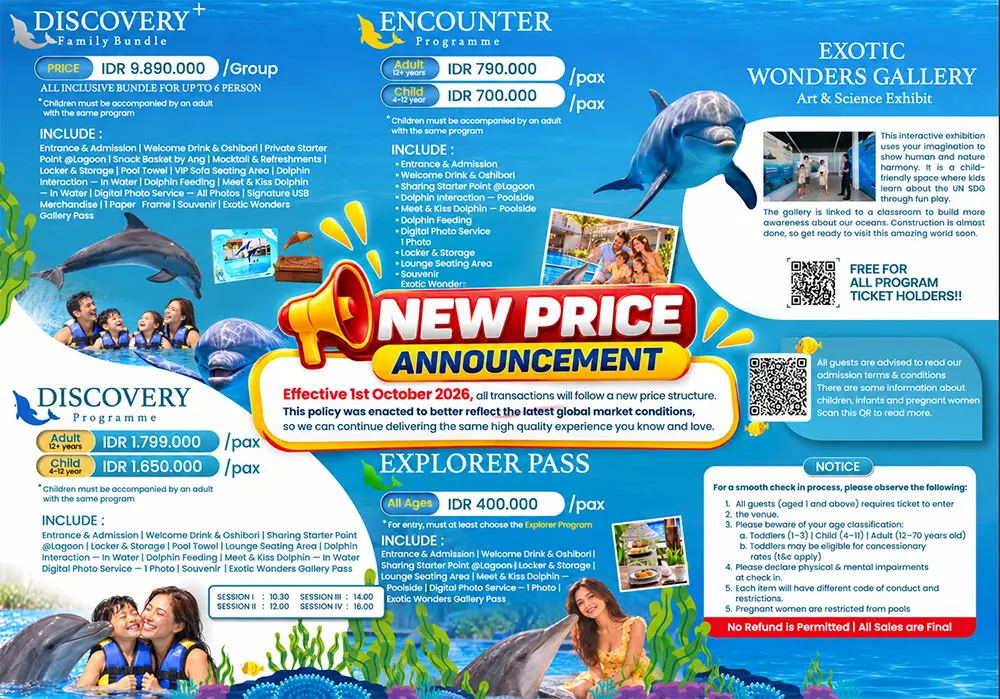
For travelers researching local facilities in Indonesia, destinations like Bali Exotic Marine Park (BEMP) in Denpasar offer structured animal programs, such as its Discovery or poolside Encounter options.
Visiting a managed facility like BEMP provides guests an opportunity to observe animals up close and listen to educational briefings. However, conscientious travelers should maintain an accurate perspective: participating in an interactive tourism program does not mean a visitor is directly funding wild dolphin conservation, habitat protection, or wild species rehabilitation.
Instead, guests can treat their visit as a starting point for curiosity—using the experience as motivation to independently research cetacean biology, explore marine threats, and adopt sustainable personal habits long after leaving the facility.
Conclusion: Small Actions Can Help Protect Our Oceans
A memorable Bali dolphin experience does not have to end when your vacation comes to a close. While a commercial excursion provides a brief encounter, the true value lies in how that moment shapes your environmental awareness going forward.
By taking small, consistent actions—reducing single-use plastics, disposing of waste responsibly, sharing accurate marine science, and supporting transparent environmental initiatives—every traveler can play a role in protecting ocean health. Real conservation progress is built upon everyday choices that safeguard marine ecosystems for the future.
Traveler Review & Policy Notice
Travelers researching regional venues online can read Bali Exotic Marine Park reviews on Tripadvisor to consult independent visitor feedback regarding customer service, check-in flow, and venue amenities. Please note that Tripadvisor currently displays an operational advisory regarding animal welfare standards for commercial wildlife venues. Conscientious travelers should evaluate user reviews alongside official venue disclosures and independent welfare considerations when deciding whether to visit commercial animal attractions.
To explore official program details and visitor guidelines, visit Bali Exotic Marine Park directly.
Frequently Asked Questions (FAQ)
1. How Can a Bali Dolphin Experience Inspire Marine Conservation Awareness?
Observing marine mammals up close can spark personal curiosity, encouraging visitors to learn more about cetacean biology, ocean habitats, and the environmental challenges facing marine ecosystems.
2. What Are the Most Effective Everyday Ways to Reduce Plastic Pollution?
The most effective strategies include eliminating unnecessary single-use plastics (such as water bottles, shopping bags, and packaging), choosing reusable alternatives, sorting waste properly, and supporting community recycling infrastructure.
3. How Does Plastic Waste Affect Marine Animals?
Plastic waste threatens marine life through accidental ingestion (causing internal blockages or starvation), physical entanglement in abandoned fishing gear or packaging, and toxic chemical exposure as plastics break down into microplastics.
4. How Can Tourists Support Marine Conservation After Returning Home?
Tourists can support conservation by practicing responsible waste management, reducing personal plastic consumption, sharing verified scientific information, participating in local environmental cleanups, and supporting transparent non-profit marine research organizations.
5. How Can Visitors Identify Reliable Marine Conservation Information?
Look for information published by accredited scientific institutions, government environmental agencies (like NOAA), international bodies (like UNEP or IUCN), and peer-reviewed marine biology journals rather than unverified social media posts or commercial promotional materials.
6. Do Individual Actions Really Make a Difference in Marine Conservation?
Yes. While individual actions alone cannot solve global environmental issues, collective shifts in consumer behavior reduce overall plastic demand, lower pollution levels, and drive market demand for sustainable business practices and environmental legislation.