Bali Exotic Marine Park: Planning a Visit That Goes Beyond Dolphin Interaction
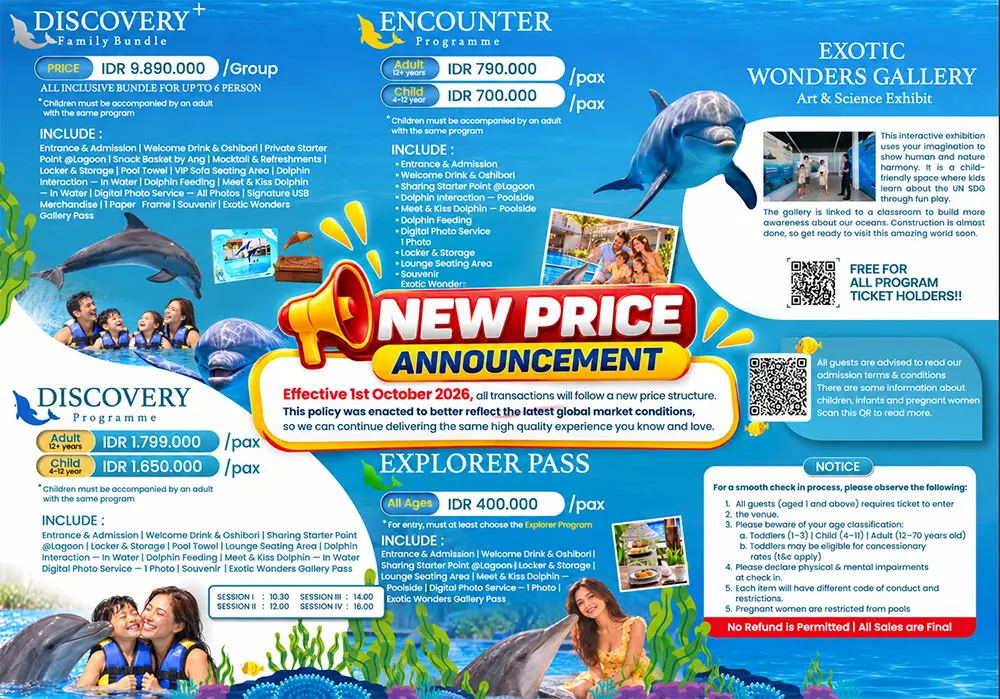
When travelers organize itineraries for Indonesia, exploring local wildlife facilities often ranks high on the list. Planning a visit to Bali Exotic Marine Park provides an opportunity to engage with marine life, but approaching such an excursion requires more than simply buying a ticket for a quick photo opportunity. A truly meaningful journey encourages visitors to look beyond surface-level entertainment, gain genuine insights into marine animal behavior, and critically evaluate the principles of animal welfare and marine conservation.
Travelers looking into regional attractions can explore community feedback and facility details on the Tripadvisor page for Bali Exotic Marine Park. However, visiting managed wildlife settings responsibly means taking personal initiative to learn about the biological needs of marine mammals. By balancing practical preparation with an informed, curious mindset, guests can transform a routine outing into an educational experience that fosters deep respect for ocean life.
Before Your Visit: Understanding What the Destination Offers
Proper preparation is essential before visiting any managed wildlife facility. Rather than assuming all facilities operate identically, travelers should actively verify operational policies, schedules, and guest guidelines prior to arrival.
- Verify Direct Information: Check official communications or direct customer service channels to confirm current operating hours, participant requirements, and active visitor guidelines.
- Confirm Activity Specifics: Inquire directly about interaction boundaries, session durations, age restrictions, and health or safety prerequisites.
- Consult Visitor Reviews Wisely: Browsing traveler perspectives on platforms like the Tripadvisor page for Bali Exotic Marine Park helps paint a picture of general guest flow, cleanliness, and staff helpfulness. However, public reviews reflect personal impressions and should not be taken as formal guarantees of current operational standards.
- Avoid Unverified Assumptions: Do not assume that specific amenities, behind-the-scenes tours, or auxiliary educational shows exist unless explicitly confirmed by official, up-to-date sources.
Gathering clear information in advance ensures smooth logistics while setting realistic, responsible expectations for your visit.
Looking Beyond Dolphin Interaction
For many travelers, close contact with cetaceans is viewed as the primary highlight of a marine park visit. However, shifting focus toward observation and quiet learning can make the visit far richer and more ethically aware.
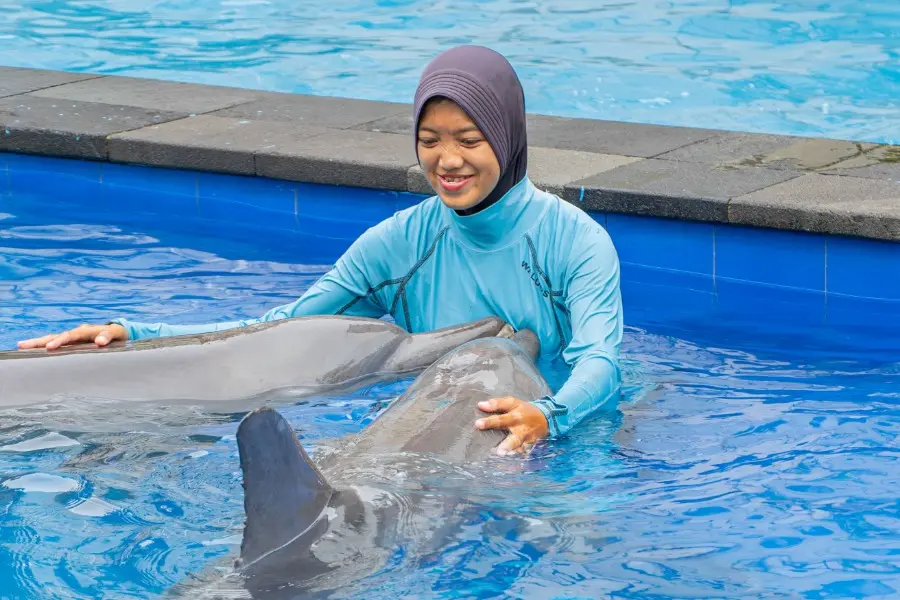
- Emphasize Active Observation: Pay close attention to how dolphins move through the water, surface for air, and interact with their surroundings. Observing natural locomotion offers valuable insights into marine mammal biology.
- Value Educational Curiosity: Use your visit as a prompt to ask thoughtful questions about species characteristics, dietary requirements, and biological adaptations rather than focusing solely on physical proximity.
- Respect Operational Boundaries: Recognize that available interaction styles are strictly governed by facility rules and animal welfare considerations.
- Focus on the Animal’s Perspective: Understand that wild and managed animals alike have physical limits. Enjoying a visit does not require forcing close contact or demanding scripted behaviors.
Learning to Understand Dolphin Behavior
To appreciate cetaceans fully, visitors benefit from understanding the scientific fundamentals of dolphin biology and communication. Applying empirical insights helps guests distinguish actual animal state from human projection.
- Acoustic Communication: Bottlenose dolphins (Tursiops truncatus) rely on complex acoustic repertoires, including frequency-modulated whistles for social cohesion and signature identification, alongside high-frequency clicks used as biosonar for navigation and object discrimination.
- Social Systems: In the wild, coastal dolphins operate within fluid fission-fusion social structures, where group size and composition shift continuously based on ecological factors and social dynamics.
- Kinematics and Body Language: Physical signals—such as jaw-claps, tail-slaps, or synchronized swimming—convey immediate social cues within a pod.
- Avoiding Anthropomorphism: Human observers often interpret an animal’s physical features, such as the natural curvature of a dolphin’s mouth, as an expression of human emotion. Scientific ethology emphasizes evaluating behavior objectively through measurable actions rather than emotional assumptions.
Why Animal Welfare Matters in Marine Experiences
Evaluating wildlife experiences requires a clear understanding of animal welfare principles. Responsible tourism involves recognizing how managed environments impact the physical and psychological well-being of marine mammals.
- The Five Domains of Animal Welfare: Rigorous animal care standards assess nutrition, physical environment, health, behavioral opportunities, and mental state. High welfare standards ensure animals have adequate space, mental stimulation, proper health care, and freedom from unnecessary stress.
- Evaluating Platform Assessments: Public travel platforms, such as Tripadvisor, sometimes display policy notices or animal welfare advisories regarding specific commercial destinations. These listings reflect corporate welfare policies and external audit criteria rather than complete biological field studies, but they serve as useful reference points for conscientious travelers.
- Transparency in Care: Conscientious visitors should seek out facilities that are open about their veterinary care protocols, environmental enrichment programs, and physical habitat maintenance.
- Prioritizing Animal Needs: True animal welfare prioritizes the biological requirements and comfort of the creature over human entertainment or photographic preference.
Connecting Dolphin Experiences With Conservation Awareness
While visiting a marine facility offers an opportunity to see aquatic animals up close, it is important to distinguish between managed animal care and broader ocean conservation efforts.
- Wild Conservation Challenges: Wild dolphin populations face severe anthropogenic threats, including marine pollution, habitat degradation, climate change, acoustic noise disruption, and commercial fishing entanglement.
- Managed Care vs. Ecosystem Protection: Observing animals in human care can spark personal interest in ocean conservation, but managing animals in an enclosed facility is not the same as protecting wild ecosystems.
- Verifying Conservation Claims: Travelers should avoid assuming that ticket sales or entrance fees automatically fund field research or wild habitat preservation unless transparent, verifiable evidence supports those claims.
- Supporting Recognized Organizations: True marine conservation relies on peer-reviewed scientific research, policy advocacy, marine protected areas (MPAs), and direct habitat restoration led by accredited non-profit institutions and marine biology agencies.
Making the Most of Your Visit to Bali Exotic Marine Park
To ensure a respectful, well-planned visit to Bali Exotic Marine Park, travelers can follow a few practical guidelines to maximize learning while supporting animal welfare:
- Confirm Details Before Arrival: Recheck schedules, policies, and activity rules directly with the provider prior to traveling.
- Prepare Inquiry Questions: Formulate meaningful questions for staff regarding dolphin care, nutrition, enrichment, and marine mammal biology.
- Follow Facility Guidelines Explicitly: Adhere strictly to trainer signals, posted signage, and physical safety barriers at all times.
- Refrain from Unauthorized Contact: Never attempt to touch, feed, or shout at animals outside of explicitly authorized, staff-supervised sessions.
- Continue Learning Post-Visit: After your trip, dive deeper into peer-reviewed marine biology literature and accredited conservation resources to build on what you observed.
- Cross-Reference Traveler Feedback: Revisit the Tripadvisor page for Bali Exotic Marine Park to share balanced, factual feedback regarding your experience, helping future travelers make informed decisions.
Conclusion: A More Thoughtful Visit to Bali Exotic Marine Park
Planning a thoughtful trip to Bali Exotic Marine Park involves balancing logistics with an active commitment to learning and welfare awareness. By verifying facility details advance, seeking to understand dolphin biology, respecting operational boundaries, and acknowledging the wider realities of ocean conservation, visitors can engage with marine life in a responsible, informed way.
A truly valuable marine experience is not measured by physical contact or scripted photos, but by the depth of respect and understanding gained for ocean life. To plan your upcoming itinerary, review visitor stories and destination notes on the Tripadvisor page for Bali Exotic Marine Park, and ensure all activity guidelines are confirmed directly before your visit.
Frequently Asked Questions (FAQ)
1. What Should Visitors Know Before Visiting Bali Exotic Marine Park?
Visitors should verify operational hours, activity rules, and participant requirements directly through official channels, while consulting platforms like Tripadvisor for general community impressions.
2. What Can Visitors Learn About Dolphins During a Marine Experience?
Visitors can learn about dolphin acoustic communication, echolocation abilities, social dynamics, dietary needs, and physical adaptations for life in marine environments.
3. How Can Visitors Learn More About Dolphin Behavior?
Travelers can read peer-reviewed ethological studies, consult scientific publications from marine mammal organizations like NOAA, and ask staff informed questions during their visit.
4. Why Is Animal Welfare Important in Dolphin Experiences?
Animal welfare ensures that marine mammals in managed environments receive appropriate veterinary care, nutrition, environmental enrichment, and protection from physical and psychological distress.
5. Does a Dolphin Experience Automatically Support Conservation?
Not necessarily. While a visit may spark personal awareness, commercial tourism does not automatically fund wild habitat protection unless explicit, verifiable evidence links the venue to accredited conservation programs.
6. What Should Visitors Ask About Dolphin Care and Welfare?
Visitors can ask about veterinary maintenance schedules, environmental enrichment activities, diet variability, daily routines, and how behavioral choices are provided for the animals.
7. How Can Visitors Make Their Marine Experience More Educational?
Visitors can focus on passive observation, ask detailed biological questions, avoid treating the outing as simple entertainment, and follow up by reading scientific research after the visit.
8. Where Can Visitors Find Reviews of Bali Exotic Marine Park?
Travelers can explore community feedback, visitor photos, and destination ratings on the Tripadvisor page for Bali Exotic Marine Park.