Save Bali’s Mangroves: Urgent Call to Action from Segara Alas Mandala 2026 on Earth Day
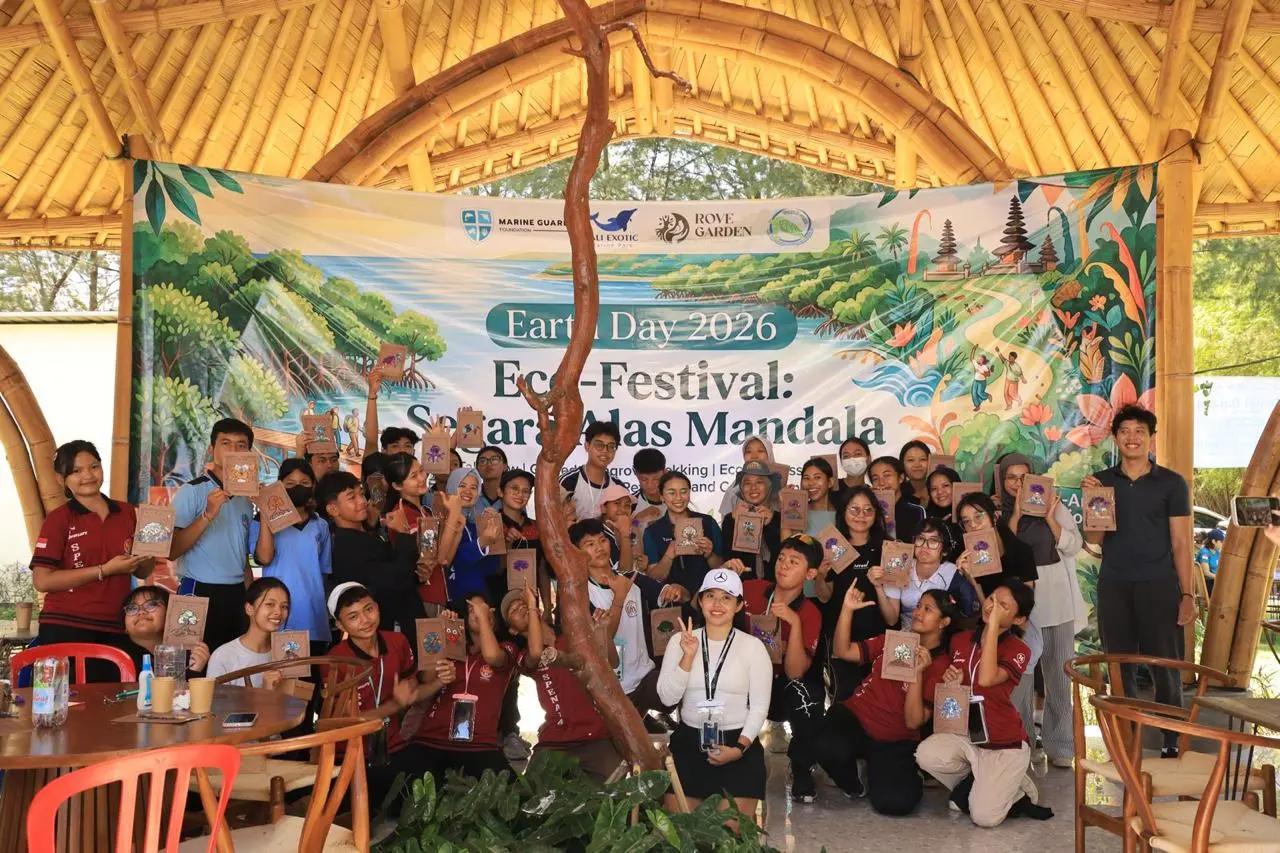
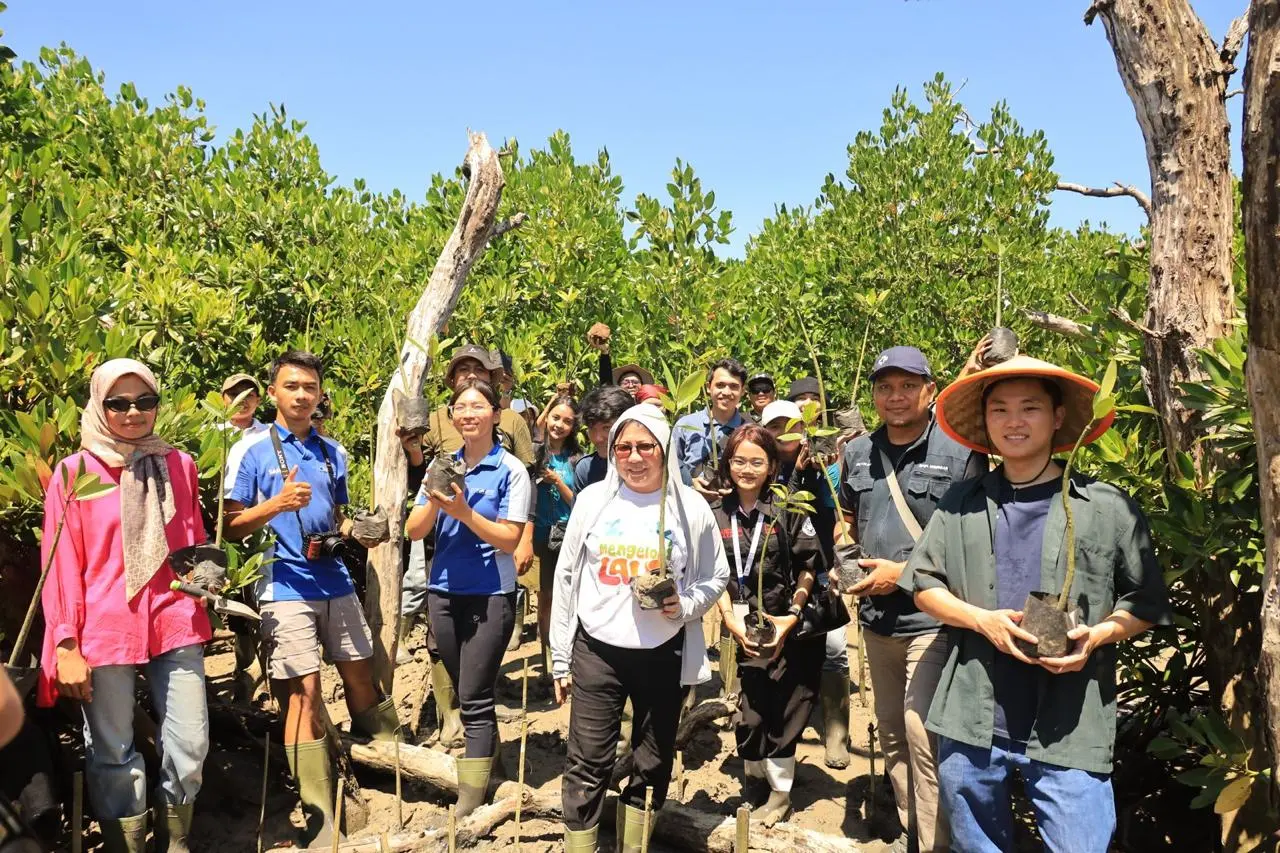
This year’s Earth Day celebration in Bali carried a strong and urgent message: protect and restore mangrove ecosystems before it is too late. The initiative, Segara Alas Mandala 2026, organized by Marine Guard Foundation in collaboration with Rove Garden, highlighted the growing threats facing coastal environments and the need for immediate collective action. Designed as a story-driven eco-festival, the program went beyond symbolic celebration by creating a participatory platform that connects communities, academics, and environmental practitioners in safeguarding the balance between land, coastal, and marine ecosystems. “Earth does not function in isolation. What happens on land will impact coastal areas, and what happens on the coast will eventually reach the ocean—and ultimately return to human life,” said Manik Mustika. She emphasized, “This awareness must be followed by real action, something that everyone can start—whether through simple daily habits or professional contributions.”
Mangroves: A Critical Yet Vulnerable Coastal Shield
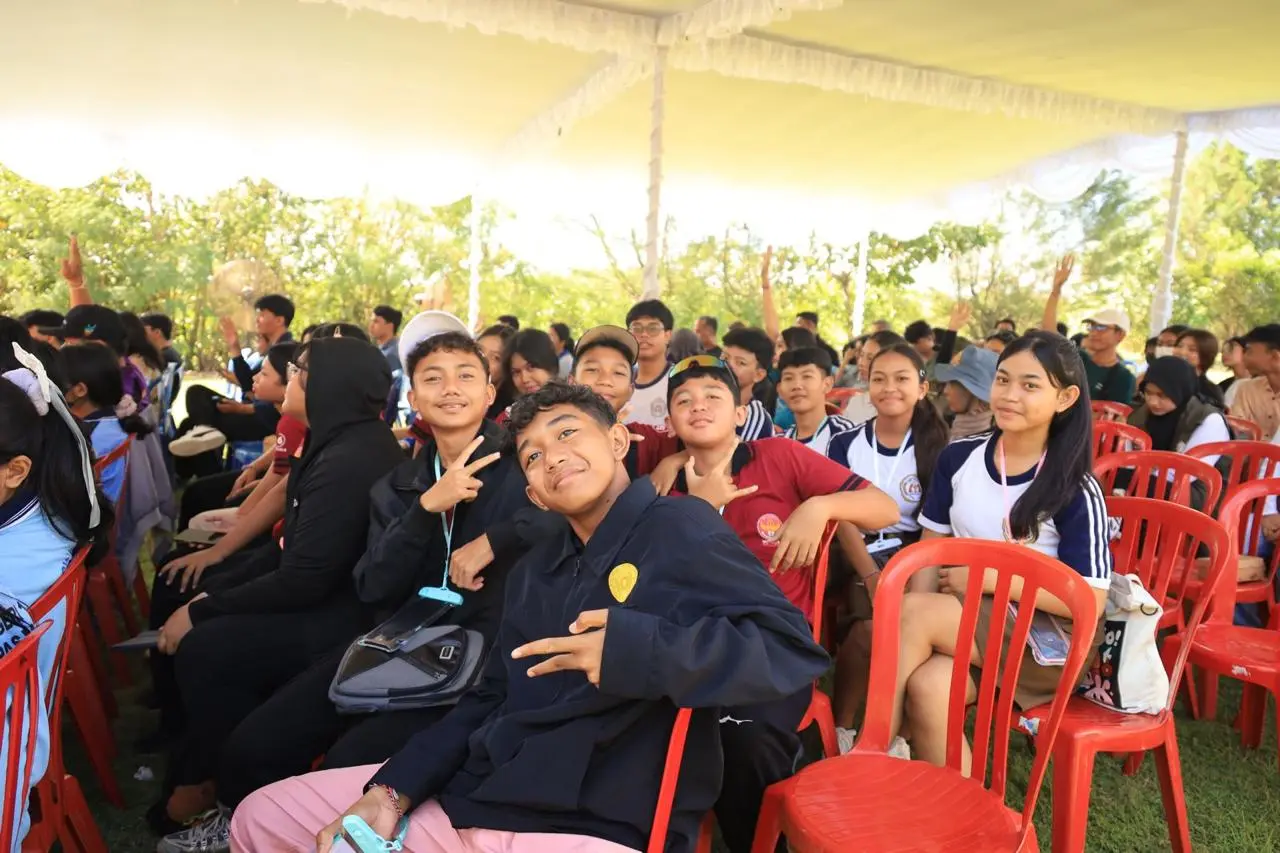
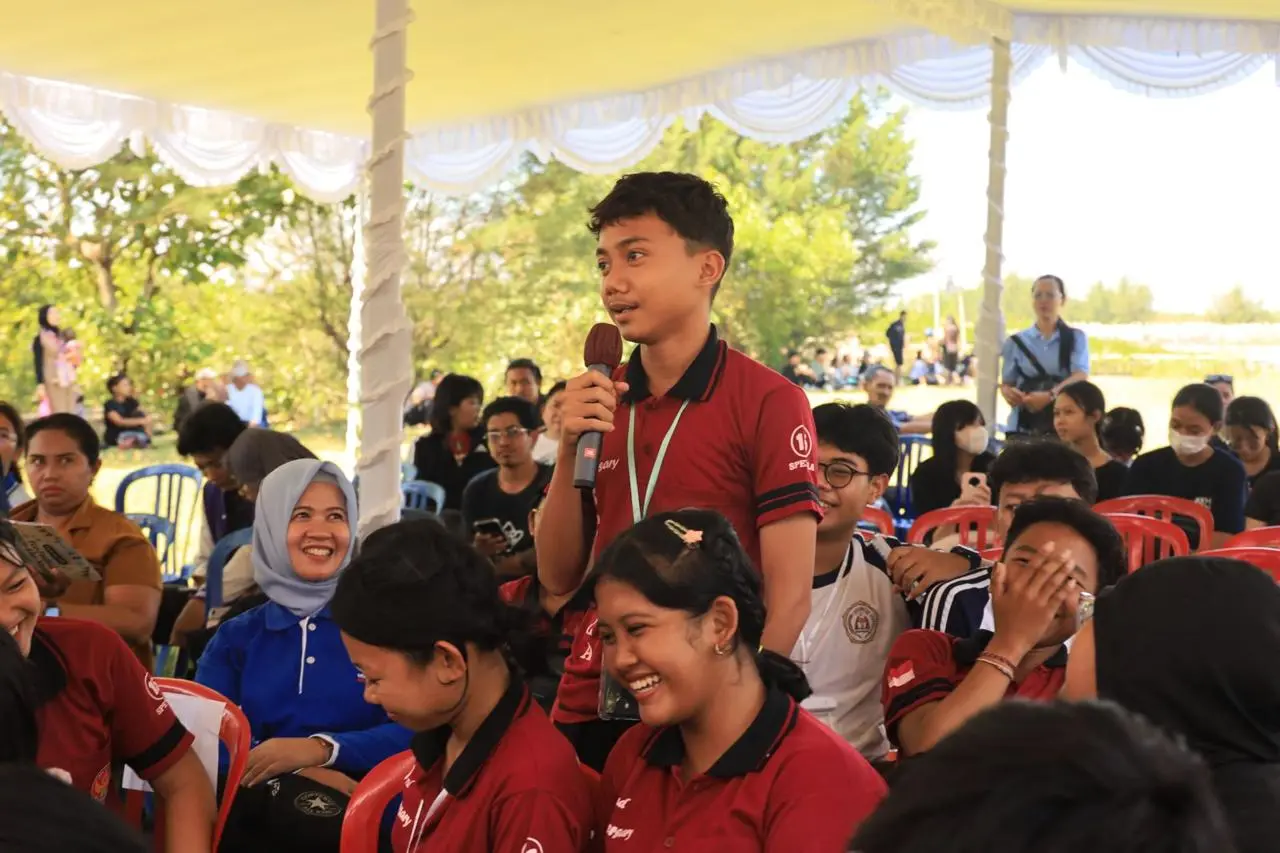
During the talk show session, Ni Made Ernawati from Universitas Udayana stressed the irreplaceable role of mangroves. “Mangroves are essential ecosystems that provide critical environmental services—from protecting coastlines against storms, erosion, tsunamis, and sea-level rise, to serving as breeding grounds for fish, crabs, birds, and other aquatic species,” she explained. She added, “They also help maintain water quality and support local livelihoods, including eco-tourism.” Highlighting their role in climate resilience, she noted, “Mangroves store exceptionally high levels of carbon, making them vital for climate change mitigation and adaptation. However, they are highly vulnerable to deforestation, land conversion, and pollution.”
 Meanwhile, Dewa Gede Wiryangga Selangga presented findings from recent research on mangrove degradation in the Benoa area. “Mangroves serve as a natural protector for marine life and coastal balance. Their complex root systems provide safe habitats for juvenile fish, shrimp, and other organisms,” he said. “In Bali, there are around 33 mangrove species that play a key role in supporting marine biodiversity and coastal food chains.”
However, he revealed alarming findings: “Our analysis shows that mangrove die-off in Benoa is caused by abiotic factors such as heavy metal and hydrocarbon contamination, not natural plant diseases,” he stated. He further added, “There are indications of oil leakage from pipeline distribution systems, likely occurring between September and November 2025.” Recovery Efforts and Stronger Oversight Needed To address the damage, experts proposed concrete recovery strategies. “We recommend bioremediation using oil-degrading bacteria to restore contaminated soil conditions,” he explained. He also emphasized preventive measures: “Infrastructure audits and real-time monitoring sensors on underwater pipelines are crucial to prevent future leaks.” In addition, he stressed enforcement: “Substrate rehabilitation must be carried out before replanting, and strict legal action against environmental violations is essential.”
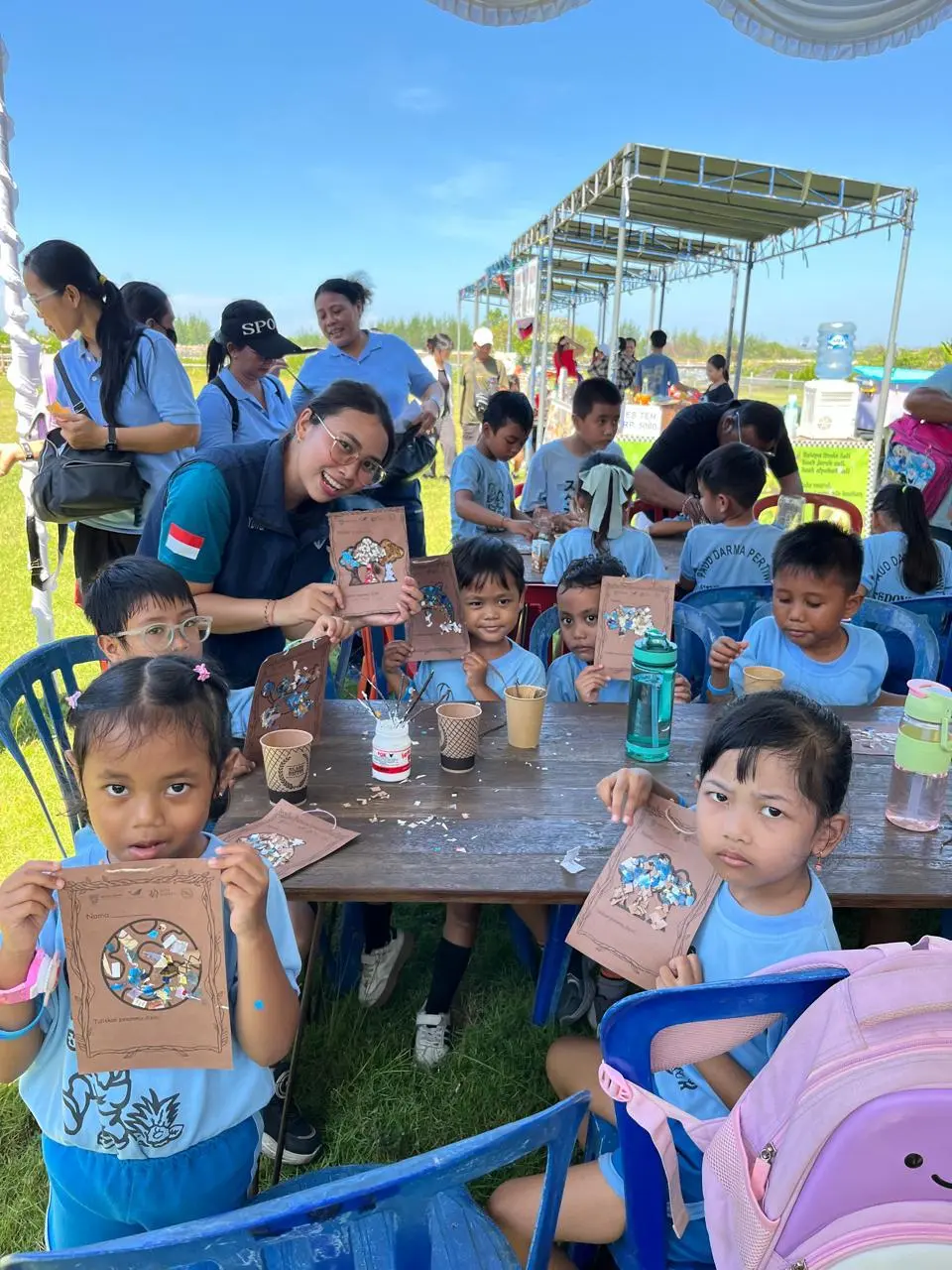
From Awareness to Collective Action Through Segara Alas Mandala 2026, the organizers aim to build a sustainable conservation community by recruiting 50 to 100 volunteers, categorized based on their skills and expertise. The event also featured a range of activities, including guided mangrove trekking, eco-art sessions, and plastic-free eco-bazaars—encouraging participants to adopt environmentally responsible lifestyles. This initiative is expected to grow into a long-term collaborative movement, empowering younger generations not only to care about the environment but also to actively participate in protecting Bali’s mangroves—one of the most vital coastal ecosystems. ***