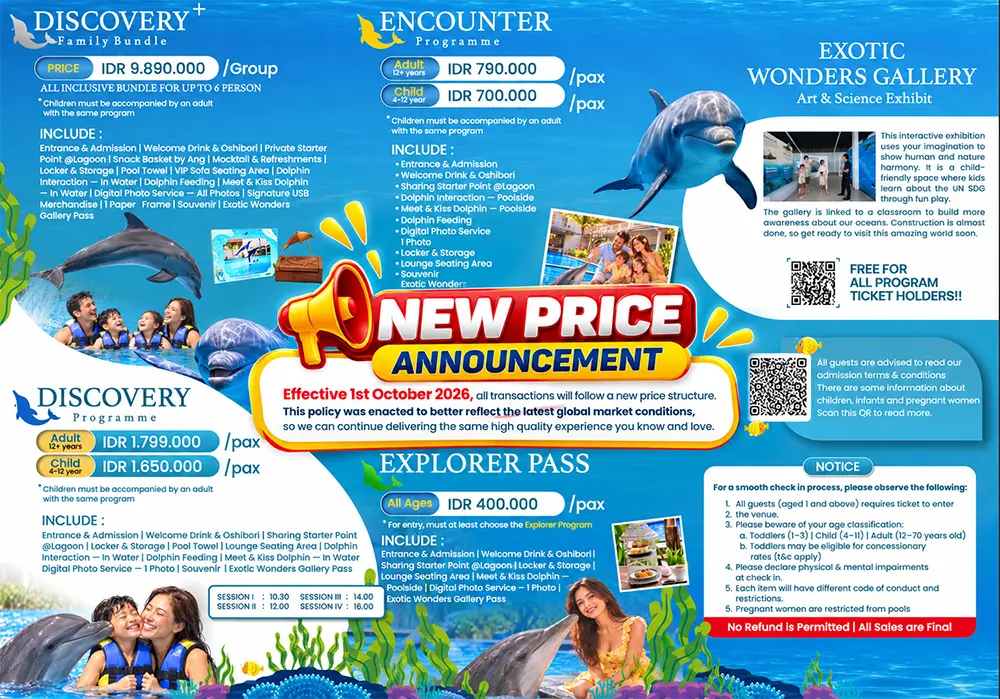
Dolphin Encounter Bali: Discover the Bond Between Humans and Dolphins
When travelers seek out a dolphin encounter Bali adventure, they often anticipate simple entertainment, but true value lies in deeper connections. Discover what makes a Bali dolphin encounter experience meaningful by exploring trust, learning, animal behavior, and connections between humans and dolphins. Through quiet observation and guided education, visitors begin to appreciate how cetaceans perceive their surroundings. Understanding dolphin behavior transforms a brief visit into an insightful exploration of human-dolphin connections, where mutual trust and structured learning pave the way for genuine marine awareness and respect.
Beyond Simple Spectacle: Redefining the Bali Dolphin Encounter
Many visitors approach a dolphin experience Bali expecting an instantaneous, high-energy thrill. However, a genuinely memorable encounter transcends mere physical proximity. It invites participants to slow down, observe patiently, and recognize that marine mammals possess complex sensory worlds that differ profoundly from human experiences.
When people shift their focus from demanding constant action to appreciating subtle behavioral cues, the dynamic of the interaction changes entirely. Instead of viewing animals as performers, participants begin to see them as sentient beings with individual personalities, distinct social rhythms, and specific physiological needs. This shift in perspective forms the cornerstone of a truly enriching marine wildlife engagement.
Decoding Dolphin Behavior Bali Through Close Observation
Observing marine mammals in a controlled or semi-natural setting offers a unique opportunity to study dolphin behavior Bali up close. Visitors often notice distinct swimming patterns, respiratory rhythms, and postural adjustments. Rather than rushing to interpret these movements through human emotional lenses, knowledgeable guides encourage guests to look at them objectively.
For instance, a steady, calm glide through the water reflects streamlined hydrodynamic efficiency, while directional changes often indicate responses to environmental stimuli or trainer cues. By paying attention to these physical nuances, participants gain a realistic appreciation for how dolphins navigate their aquatic space. This careful observation eliminates romanticized misconceptions and replaces them with accurate biological literacy.

Establishing Familiarity and Trust in Structured Interactions
The concept of trust in human-animal relationships is frequently misunderstood. In professional marine care environments, trust is not an emotional bond akin to human friendship, but rather a learned state of predictability, positive conditioning, and mutual familiarity.
During a supervised dolphin interaction Bali, animals learn to associate human presence and specific signals with predictable outcomes, such as training sessions, feeding, or enrichment activities. This structured consistency creates a calm environment where cetaceans can participate willingly without stress. Understanding this dynamic helps visitors realize that smooth, cooperative interactions are the result of consistent professional care, daily routines, and deep understanding of animal psychology.
Prioritizing Animal Welfare Through an Ethical Dolphin Encounter
An ethical dolphin encounter places the physical and psychological welfare of the animals above all visitor expectations. Professional facilities operate on strict protocols that limit interaction durations, monitor stress indicators, and provide adequate rest periods for each animal.
When animals show signs of fatigue, disinterest, or agitation, expert handlers immediately adjust the program. This flexibility ensures that the animals are never pushed beyond their comfort limits. Recognizing that animal welfare dictates the boundaries of the program teaches visitors an essential lesson in responsible wildlife stewardship: true appreciation of nature requires respecting the autonomy and comfort of the living creatures involved.
Fostering Curiosity Through an Interactive Dolphin Experience
An interactive dolphin experience serves as a bridge between abstract scientific knowledge and tangible reality. Reading about marine biology in a textbook can feel distant, but standing alongside a marine mammal specialist while observing a dolphin respond to tactile or acoustic cues brings biological concepts to life.
This structured dolphin learning experience engages multiple senses, making information about hydrodynamics, social structures, and sensory adaptation much easier to comprehend. Visitors can witness firsthand how these mammals utilize keen auditory senses and sleek body designs to interact with their environment, deepening their intellectual curiosity about ocean life.
The Educational Value of a Specialized Dolphin Encounter Program
A well-designed dolphin encounter program Bali functions primarily as an educational platform rather than a commercial show. Educational staff guide participants through discussions regarding marine mammal physiology, habitat conservation, and the daily care routines required to maintain healthy animals.
Facilities such as the Bali Exotic Marine Park provide structured environments where guests can learn about veterinary care, nutritional management, and behavioral conditioning directly from dedicated professionals. Reviewers often highlight how these educational insights transform casual tourists into informed advocates for marine conservation, as noted on Tripadvisor – Bali Exotic Marine Park.
Transitioning From a Marine Animal Encounter to Ocean Advocacy
Engaging in a specialized marine animal encounter often sparks a broader personal commitment to marine environmental protection. When visitors connect on a personal level with individual marine mammals, abstract global issues like ocean pollution, habitat destruction, and overfishing suddenly feel urgent and personal.
This psychological bridge from individual fascination to collective responsibility is one of the most powerful outcomes of structured wildlife education. Participants leave the facility not only with cherished memories but with a heightened awareness of how human actions impact coastal and marine ecosystems worldwide.
Upholding Standards Through Responsible Dolphin Tourism
Promoting responsible dolphin tourism requires collective vigilance from both operators and travelers. Sustainable tourism models prioritize transparency, veterinary oversight, educational value, and strict adherence to animal welfare regulations.
Visitors can support these standards by choosing providers that emphasize education over exploitation, following staff instructions carefully, and maintaining respectful boundaries during all programs. By holding tourism experiences to high ethical standards, travelers ensure that future generations can continue to learn from and appreciate these magnificent marine mammals.
Conclusion
Ultimately, a well-managed dolphin encounter Bali program offers far more than a memorable vacation photograph; it provides a profound gateway into understanding marine wildlife. By prioritizing patient observation, respecting behavioral boundaries, and recognizing the importance of professional animal welfare, participants transform a simple visit into a meaningful educational journey. Whether you are seeking to deepen your knowledge of cetacean biology or connect more mindfully with coastal ecosystems, exploring marine education in Bali encourages lasting respect for our ocean’s inhabitants. Plan your next responsible wildlife experience by visiting reputable educational destinations like Bali Exotic Marine Park, and discover how informed curiosity can inspire lifelong marine conservation.
Frequently Asked Questions
What makes a dolphin encounter Bali experience meaningful?
A meaningful experience goes beyond physical contact by emphasizing education, careful observation, mutual trust, and a deep respect for animal welfare and natural behavior.
What can visitors learn from a structured dolphin interaction program?
Participants learn about marine mammal physiology, sensory adaptation, positive reinforcement training, and the daily professional care required to maintain healthy animals.
How should visitors interpret dolphin behavior during an encounter?
Visitors should view dolphin movements objectively—such as recognizing responses to environmental cues and conditioning—rather than projecting human emotions onto the animals.
What distinguishes an ethical dolphin encounter from standard tourism?
An ethical encounter prioritizes animal welfare above visitor demands, featuring strict interaction limits, professional supervision, and the flexibility to pause programs when animals show fatigue.
Does an educational dolphin experience require maximum physical contact?
No. Valuable learning and emotional connection can occur through structured observation, guided educational sessions, and controlled, low-stress interactions.
How can travelers support responsible dolphin tourism?
Travelers can support sustainability by researching providers, prioritizing educational credentials, following safety guidelines, and advocating for high standards of animal welfare.