How BEMP Redefines Dolphin Conservation Bali Through Ecosystem Restoration
Learn how BEMP goes beyond wildlife tourism to save and restore Bali’s vital mangrove ecosystems. While the facility is globally recognized for its interactive marine life encounters, its core operational ethos is fundamentally driven by dolphin conservation Bali.
Functioning dynamically as both Bali Exotic Marine Park and an advanced Bali Dolphin Marine Park, the organization acts as a sanctuary and a research hub, demonstrating that protecting marine megafauna requires an unyielding commitment to habitat preservation.
The historical narrative of marine parks has often been limited to captive care and public displays. However, modern ecological realities demand a massive paradigm shift. True stewardship involves looking outside the perimeter of the facility and addressing the systemic environmental degradation threatening wild populations. BEMP has stepped into this leadership role, bridging the gap between managed animal care and aggressive wild habitat rehabilitation.
Restructuring Tourism: The BEMP Sustainability Programs
The foundation of this ecological shift rests upon the comprehensive BEMP sustainability programs. These initiatives are integrated directly into the daily operations of the park, ensuring that every commercial activity yields a net-positive environmental return.
From implementing advanced closed-loop water filtration systems that eliminate chemical runoff to banning single-use plastics across the entire property, the facility models actionable environmental responsibility.
Furthermore, these programs extend into strict supply-chain auditing. The food provided to the resident marine life is sourced exclusively from sustainable, local fisheries that do not utilize destructive netting practices.
By aligning their commercial purchasing power with ethical fishing standards, the park helps mitigate the overfishing that directly threatens wild dolphin populations across the Indonesian archipelago. This multi-layered operational framework establishes a truly Bali Exotic Marine Park eco friendly blueprint for the global wildlife tourism industry.
Read More Other Articles:
- Lunch with Dolphins Bali: A Unique Dining Experience at BEMP
- Dolphin Communication & Dolphin Conservation Bali
The Ecological Imperative of Bali Mangrove Conservation
To safeguard the open ocean, conservationists must first secure the coastlines. This makes Bali mangrove conservation an indispensable pillar of regional environmental health. Mangrove forests are incredibly unique ecosystems, thriving in the harsh, high-salinity zones where land meets sea.
Their intricate, submerged root systems act as natural buffers, providing critical coastal protection in Bali by absorbing the energy of heavy wave action and preventing catastrophic shoreline erosion.
Beyond physical defense, these estuarine forests serve as massive blue carbon sinks, sequestering carbon dioxide at rates up to four times greater than terrestrial rainforests. They also function as the primary water purification system for the island.
By trapping heavy metals, agricultural runoff, and land-based sediments, mangroves ensure that the water flowing out into the open sea remains clear and uncontaminated. Without these vital forests, the surrounding coral reefs and marine sanctuaries would quickly succumb to siltation and nutrient pollution.
Why True Dolphin Conservation Bali Requires Healthy Mangrove Ecosystems
Connecting coastal mudflats to pelagic cetaceans might seem distant at first glance, but effective dolphin conservation Bali is fundamentally dependent on these estuarine habitats. Dolphins are apex predators positioned at the top of a highly complex marine food web.
They do not exist in isolation; their survival relies entirely on the continuous availability of robust, diverse prey populations, including various species of fish, squid, and crustaceans.
Mangrove forests serve as the definitive nursery grounds for over 80% of the commercially and ecologically vital fish species in the region. The dense, tangled roots offer juvenile marine life unparalleled protection from larger predators, allowing populations to mature before migrating out into deeper waters.
When mangrove ecosystems degrade, these nursery grounds collapse, causing a drastic domino effect throughout the marine food supply. By dedicating substantial resources to mangrove restoration, BEMP directly ensures that wild dolphin pods have a stable, abundant food supply within their natural hunting grounds.
Segara Alas Mandala 2026: Driving the Save Bali Mangroves Initiative
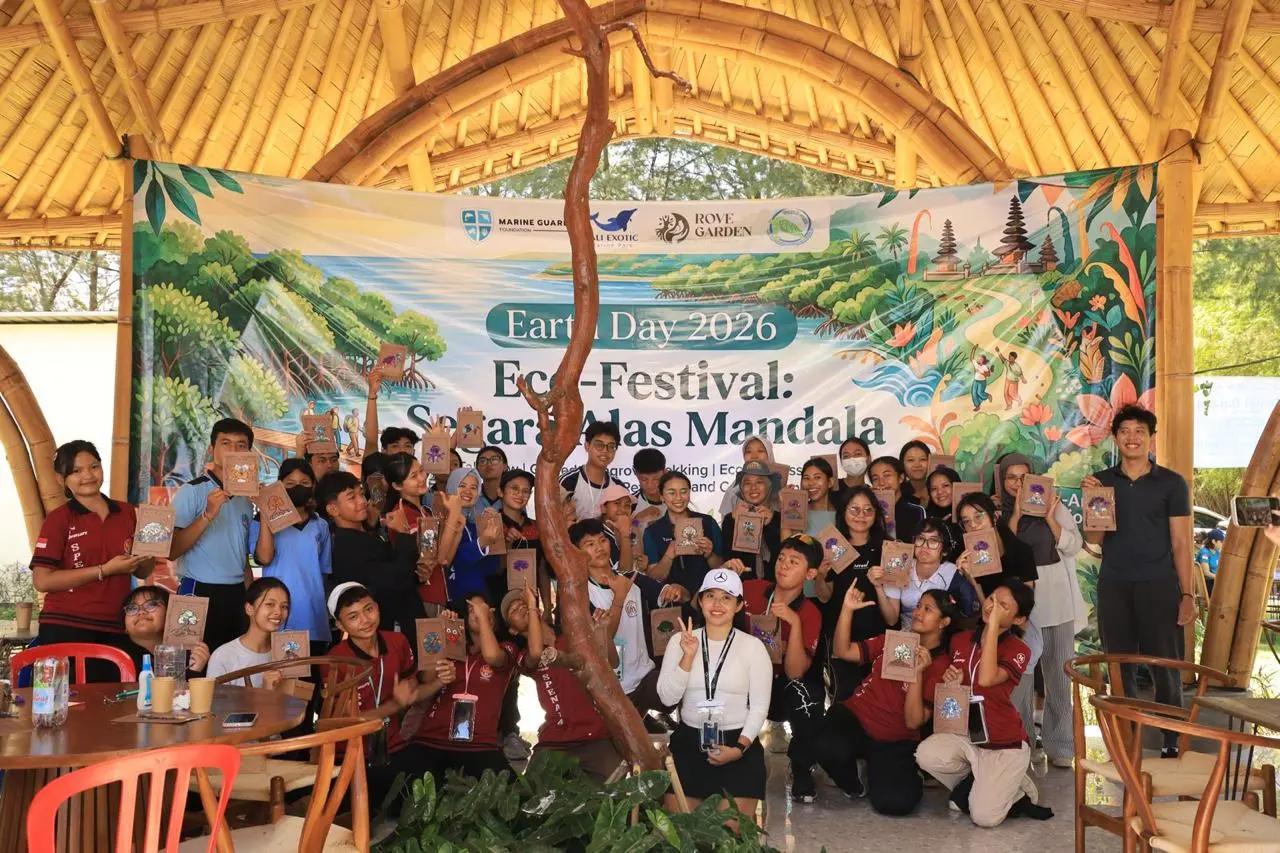
Recognizing the urgency of coastal degradation, BEMP launched the ambitious Segara Alas Mandala 2026 project. This comprehensive, forward-looking strategy serves as the park’s primary Save Bali mangroves initiative, aiming to rehabilitate and reforest vast tracts of degraded tidal zones across Bali’s vulnerable eastern coastlines. This project moves away from superficial planting practices, utilizing rigorous scientific methodologies to ensure high survival rates for every sapling introduced.
The initiative involves meticulous topographical mapping, soil salinity testing, and hydrological modeling to match specific native mangrove species with their optimal micro-environments. Furthermore, the project includes long-term monitoring protocols to track biodiversity return and carbon capture metrics over time. Through Segara Alas Mandala 2026, the organization is creating a scalable, data-verified model for coastal restoration that can be replicated across other threatened tropical regions.
Enforcing Protection with the Marine Guard Foundation Bali
Successful reforestation requires more than just planting trees; it demands consistent, long-term protection from human interference. To achieve this, BEMP works in close, active partnership with the Marine Guard Foundation Bali.
This specialized non-governmental organization provides the necessary boots-on-the-ground enforcement and community mobilization to protect newly restored habitats from illegal development, wood harvesting, and destructive fishing practices.
Through this collaboration, localized community watch groups are trained and equipped to conduct regular patrols across the sensitive mangrove zones. The Marine Guard Foundation Bali also deploys remote monitoring technologies, such as drone surveillance, to track ecosystem health and detect environmental infractions in real-time.
This dual approach of ecological restoration backed by community-led enforcement ensures that the restored forests have the security needed to mature into fully functioning ecosystems.
Empowering Communities Through Environmental Education Bali
The ultimate survival of Bali’s marine ecosystems depends on shifting public mindsets. BEMP places a heavy strategic emphasis on Environmental education Bali, operating extensive outreach programs designed to inspire local communities and younger generations.
The park regularly hosts interactive workshops, seminars, and field trips for Indonesian students, transforming complex ecological concepts into engaging, practical learning experiences.
Students participating in these programs do not just read about conservation in textbooks; they step directly into the tidal mudflats to participate in active planting sessions. They learn firsthand how human actions on land directly impact the health of the ocean and the wild dolphin populations offshore.
By fostering a deep sense of environmental stewardship among local youth, BEMP is cultivating a generation of informed advocates who will actively protect marine ecosystems Bali for decades to come.
Regenerative Travel: Engaging in Bali Eco Tourism Activities
Tourism can be a powerful force for environmental good when managed through a regenerative framework. BEMP has successfully integrated conservation into the visitor experience by offering curated Bali eco tourism activities.
These specialized programs allow travelers to transform from passive observers into active participants in regional conservation efforts. A significant percentage of all ticket sales and tour revenue is funneled directly into the park’s mangrove nurseries and field operations.
Visitors have the opportunity to take part in guided educational tours, beach cleanup initiatives, and hands-on mangrove planting excursions. These activities provide tourists with a deeper, more meaningful connection to the island while ensuring their travel footprint actively contributes to the preservation of local habitats. This model demonstrates that responsible tourism can provide the essential funding and labor required to protect marine ecosystems Bali.
Navigating Future Conservation Challenges
While the progress achieved through these combined initiatives is substantial, the path forward is fraught with ongoing challenges. Rapid coastal development, driven by expanding global tourism and urbanization, continues to exert immense pressure on Bali’s remaining natural habitats.
Additionally, the escalating impacts of global climate change—including unpredictable weather patterns, rising sea levels, and marine heatwaves—pose ongoing threats to both newly planted mangroves and fragile offshore marine life.
Overcoming these systemic hurdles requires continuous adaptation, increased international collaboration, and a willingness to confront environmental degradation at its source. BEMP remains dedicated to expanding its research networks, refining its restoration methodologies, and scaling its community programs to meet these evolving threats. The battle to protect Bali’s coastlines is far from won, but through sustained, scientifically grounded action, a sustainable balance between human progress and marine preservation remains achievable.
Frequently Asked Questions (FAQ)
What role does BEMP play in dolphin conservation Bali?
BEMP addresses dolphin conservation Bali by protecting and restoring the coastal ecosystems that support the marine food web. By planting mangroves, they ensure that wild dolphin populations have access to healthy, abundant prey populations in their natural habitats.
Why are mangroves so critical to coastal protection in Bali?
Mangroves provide vital coastal protection in Bali by absorbing the impact of heavy waves, trapping land-based sediments, and preventing shoreline erosion, while also filtering pollutants out of the water before it reaches the ocean.
How can visitors engage with Bali Exotic Marine Park eco friendly initiatives?
Visitors can actively participate by booking specialized Bali eco tourism activities, joining guided mangrove planting excursions, participating in coastal cleanups, and knowing that their admission fees directly fund regional habitat restoration.
What makes the Segara Alas Mandala 2026 project unique?
The Segara Alas Mandala 2026 initiative stands out because it utilizes data-driven scientific methods, such as soil salinity testing and hydrological modeling, to ensure high survival rates and long-term ecological viability for restored mangrove forests.
How does the Marine Guard Foundation Bali support these eco-programs?
The Marine Guard Foundation Bali provides essential community enforcement, organizing local patrols and using surveillance technology to protect restored mangrove zones from illegal logging, dumping, and poaching.
Conclusion
True environmental stewardship requires looking beyond individual species and committing to the total restoration of interconnected ecosystems. Through the targeted deployment of BEMP sustainability programs, impactful community partnerships, and innovative public outreach, Bali Exotic Marine Park is setting a new benchmark for what modern conservation facilities can achieve.
By focusing on the essential health of coastal mangroves through initiatives like Segara Alas Mandala 2026, the organization tackles the foundational threats to marine biodiversity. Protecting these coastal forests remains the most sustainable, impactful, and lasting strategy for achieving meaningful dolphin conservation Bali. By fostering regenerative tourism and local education, we can ensure that both Bali’s vibrant coastlines and its majestic marine life are preserved for generations to come.