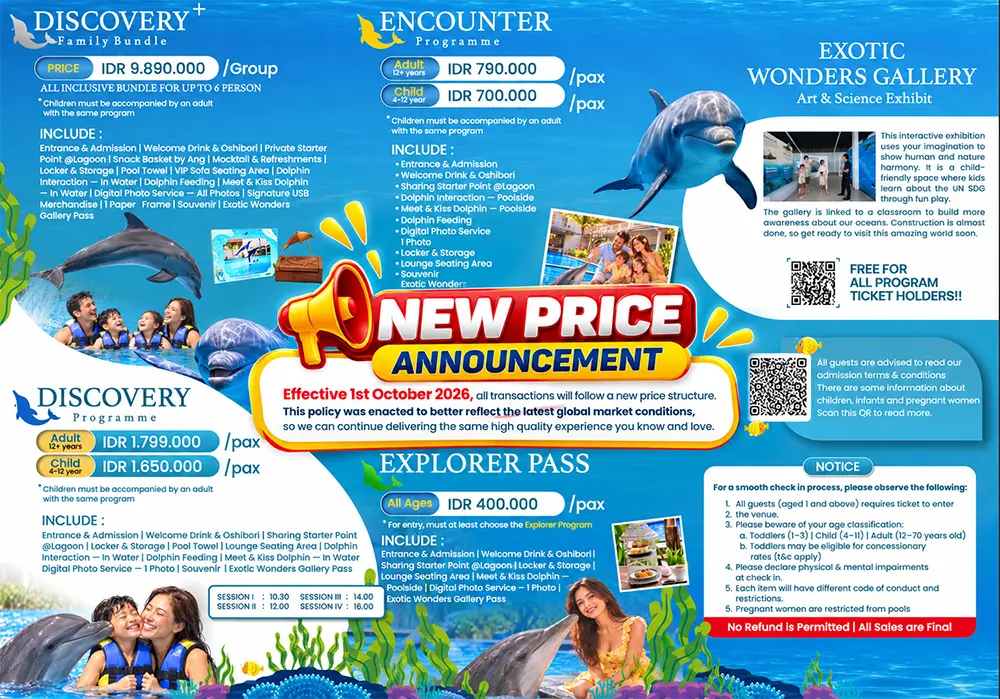
A Guide to a Responsible Bali Swim with Dolphin Experience
When most travelers plan a trip to Indonesia’s iconic island, they envision terraced rice fields, ancient clifftop temples, and surf-beaten coasts. Yet, some of the region’s most profound wonders exist just below the ocean surface.
Discover Bali’s vibrant underwater world, from coral reefs and marine life to unforgettable bali swim with dolphin experiences and ocean conservation. Opting for a mindful bali swim with dolphin encounter allows you to connect directly with the ocean’s most charismatic inhabitants while fostering a deeper appreciation for marine ecosystems.
The Fascinating Dynamics of Dolphin Behavior and Communication
To truly appreciate a bali dolphin experience, one must look closely at the complex biology and social structures of these marine mammals. The waters surrounding Bali, particularly along the northern coast of Lovina and the southern straits, are home to several species, including Spinner dolphins (Stenella longirostris) and Spotted dolphins (Stenella attenuata).
Fission-Fusion Social Structures
Unlike many land mammals that live in rigid herds, dolphins operate within a “fission-fusion” society. Pod sizes and compositions change constantly throughout the day. A group may merge with another to hunt large schools of fish, only to split into smaller subgroups hours later for rest or socialization. This dynamic dolphin behavior requires high levels of social intelligence and adaptability.
Read More Other Articles:
- What to Expect for Dolphins Swim Bali: A Step-by-Step
- Swimming Dolphins Bali: Complete Beginner’s Guide!
Deciphering Dolphin Communication
The complexity of their social lives is supported by an intricate system of dolphin communication. Dolphins rely heavily on sound because acoustic waves travel four point five times faster in water than in air. Their vocabulary consists of a mix of sounds:
- Signature Whistles: Each dolphin develops a unique whistle during its first year of life, acting much like a human name to identify itself to others.
- Clicks and Echolocation: High-frequency clicks are used for navigation and hunting, allowing them to construct a mental image of their surroundings.
- Burst-Pulse Sounds: These emotional vocalizations signify excitement, playfulness, or aggression during pod interactions.
Choosing an Ethical Dolphin Experience Bali Visitors Can Trust
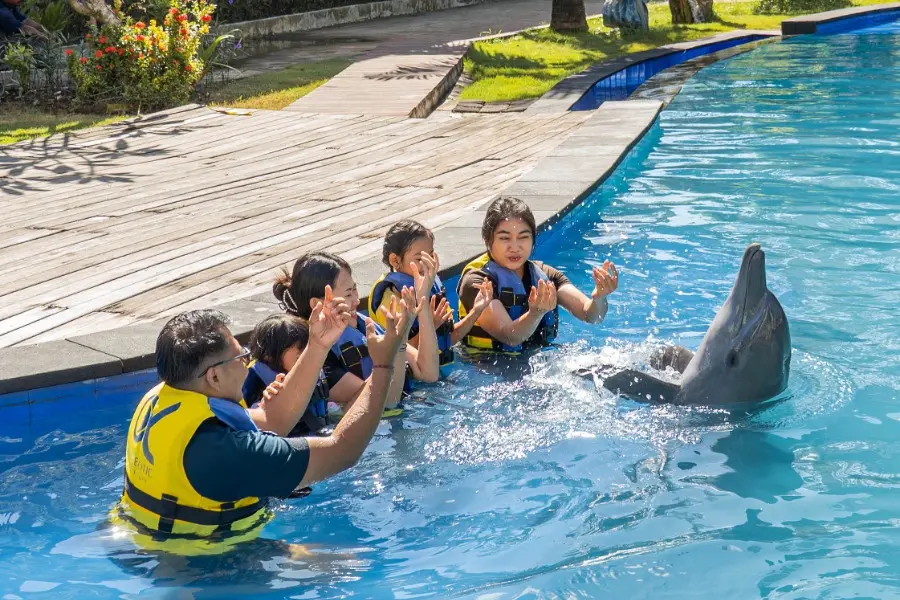
As marine tourism grows, the demand for responsible travel practices has fundamentally shifted how travelers approach wildlife interactions. Historically, marine mammals in tourism faced significant challenges regarding habitat quality and stress. Today, modern travelers prioritize an ethical dolphin experience Bali operators can proudly defend through conservation-first models.
Facilities such as the Bali Exotic Marine Park have sought to redefine close-up dolphin encounters Bali tourists seek by combining education, professional veterinary care, and strict animal welfare protocols.
Rather than traditional entertainment-focused setups, responsible operations focus heavily on public education, teaching visitors about the ongoing threats facing wild populations, such as plastic pollution and commercial fishing nets.
Welfare Indicator: An ethical wildlife encounter never forces an animal to interact. True conservation-oriented programs structure their schedules around the animals’ natural rhythms, ensuring ample downtime and prioritizing behavioral enrichment.
Exploring the Vibrant Marine Life Bali Safeguards
Dolphins do not exist in isolation; they are apex predators within a vast, interconnected ecosystem. Bali sits within the Coral Triangle, a global center of marine biodiversity that harbors more than 75% of the world’s coral species and thousands of reef fish species.
The health of the underwater world Bali depends heavily on these coral reefs. Reefs provide shelter, breeding grounds, and nurseries for the smaller fish species that dolphins rely on for food. When you look beyond the primary Bali marine attractions, you find a delicate trophic cascade:
- Healthy Corals sustain diverse invertebrate and small fish populations.
- Pelagic Fish feed on smaller reef inhabitants.
- Dolphins and Sharks manage these fish populations, preventing any single species from over-consuming primary resources and unbalancing the ecosystem.
What to Expect During a Bali Swim with Dolphin Program
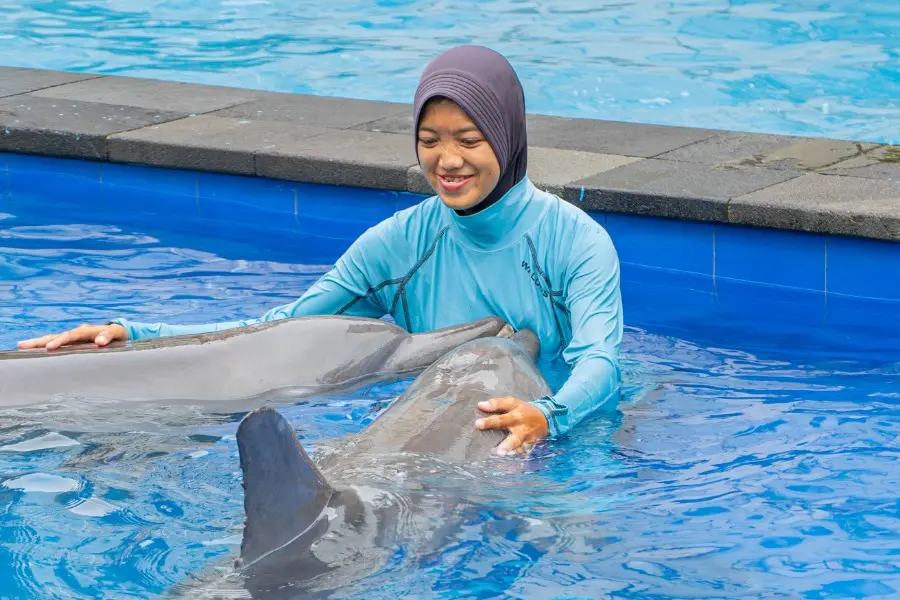
If you choose to participate in a structured swim with dolphins in Bali, understanding what to expect ensures a safe, respectful, and educational experience for both you and the marine life. Modern educational interactions emphasize low-impact protocols that minimize human disruption to the animals.
- Pre-Interaction Briefings: Before entering the water, experts guide guests through the biology of the animals, highlighting safety rules and explaining the signals trainers use to communicate.
- Passive Interaction: Swimming sessions generally emphasize sharing the water space quietly rather than chasing or making sudden movements.
- Sanitization and Safety: Participants are required to avoid chemical sunscreens unless they are certified reef-safe, as standard cosmetics introduce toxic compounds into the aquatic environment.
By focusing on education over entertainment, these encounters transform a simple holiday activity into a lifelong commitment to ocean advocacy.
The Crucial Link Between Eco-Tourism and Marine Conservation Bali
Tourism possesses the unique ability to fund and drive marine conservation Bali initiatives. When managed with strict environmental guidelines, the economic revenue generated by marine excursions provides alternative livelihoods for coastal communities, reducing reliance on destructive fishing methods like dynamite or cyanide fishing.
Many responsible operators reinvest a portion of their proceeds into local conservation efforts. These include community-led coral reef restoration initiatives, such as the Biorock projects in Pemuteran, and regular beach cleanups that mitigate the risk of plastic ingestion by marine mammals. When travelers consciously choose eco-certified operators, they send a clear message to the tourism market: animal welfare and habitat preservation are non-negotiable.
FAQ: Planning Your Underwater World Bali Adventures
Where can I experience a responsible Bali swim with dolphins?
Responsible encounters can be found through eco-certified wild boat tours in regions like Lovina (adhering to distance codes of conduct) or via dedicated educational facilities like the Bali Exotic Marine Park, which prioritize animal rehabilitation, welfare, and public education.
How do dolphins communicate with each other in the wild?
Dolphins use a sophisticated acoustic language consisting of signature whistles for self-identification, burst-pulse sounds for social interactions, and high-frequency clicks for echolocation to map their surroundings.
What should I look for to ensure a dolphin experience is ethical?
Look for operators that limit interaction times, prohibit forced behaviors, offer comprehensive educational materials about marine conservation, and maintain transparent animal welfare standards audited by independent marine biologists.
Why is the conservation of marine life in Bali so critical?
Bali is located within the Coral Triangle, making its waters vital to global marine biodiversity. Protecting these ecosystems preserves critical food webs, sustains local economies through sustainable tourism, and safeguards vulnerable species from extinction.
Preserving the Magic of Bali’s Oceans
The marine ecosystems of Indonesia offer some of the most breathtaking wildlife encounters on Earth. Taking part in a bali swim with dolphin experience is a profound privilege that carries the responsibility of mindful stewardship. By taking the time to understand intricate dolphin behavior, selecting operators committed to genuine animal welfare, and supporting local marine conservation Bali initiatives, travelers can ensure that the island’s aquatic treasures remain vibrant and wild. True travel luxury lies not in exploiting nature, but in learning how to coexist harmoniously with the incredible species that call our oceans home.