
Dolphin Bali Experience: Discover, Learn & Connect with Dolphins
There is a certain quiet excitement that happens the moment a dolphin surfaces just a few steps away from you. For many travelers planning a dolphin Bali experience, that first glimpse of a dolphin’s curious eyes is often the moment the trip becomes unforgettable, a mix of seeing the animal and understanding how it moves and responds to the people around it.
This is exactly why marine encounters have become one of the most sought after activities for visitors exploring the island beyond its beaches and temples. A dolphin Bali experience blends education, close observation, and a structured, guided interaction that feels personal rather than staged.
Why Interacting with Dolphins Has Become a Bali Highlight
Bali’s marine tourism scene has grown well beyond surfing and snorkeling. Travelers increasingly look for activities where they can learn while enjoying themselves. Meeting dolphins up close fits that need naturally, since these animals are expressive, social, and responsive to gentle human interaction when guided properly.
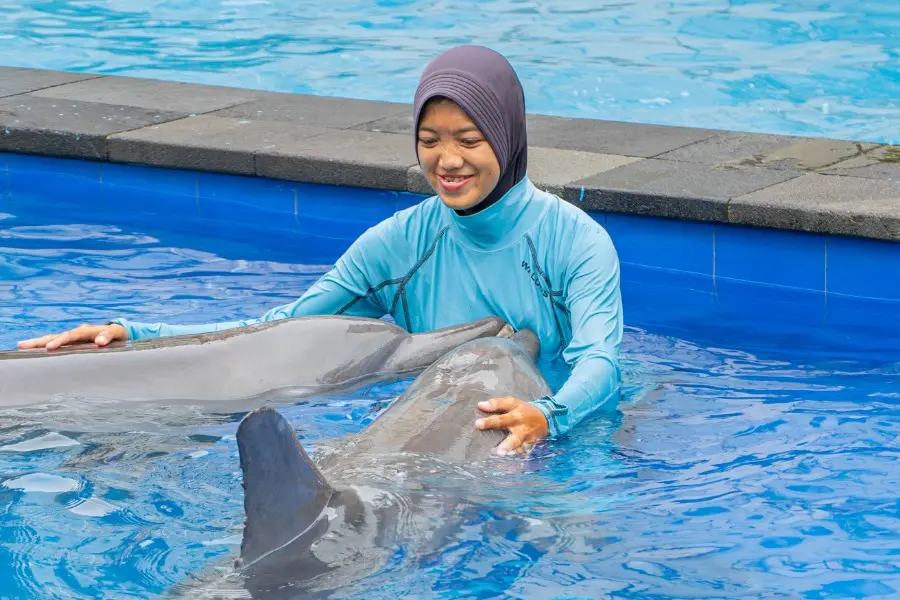
For families, the appeal lies in how approachable the activity is, even for first timers. For solo travelers or couples, it becomes a memorable pause from the usual sightseeing routine. Either way, a dolphin experience Bali visit tends to leave a lasting impression, a combination that makes a dolphin Bali experience stand out from other water activities on the island.
Getting to Know Bali Dolphin Marine Park
Bali Dolphin Marine Park, also known as Bali Exotic Marine Park (BEMP), is a conservation institution in Denpasar, licensed by Indonesia’s Ministry of Forestry since it was established in 2019. Beyond interaction programs, the park focuses on education, research, and conservation, including collaborations with local universities and marine welfare organizations.
This conservation focus shapes how the Bali dolphin marine park approaches every session, framing activities as a chance to understand dolphin behavior, not just entertainment.
Types of Interaction Programs Available
According to the park’s program listing, visitors can choose from several formats, including Discovery+, Discovery, Encounter, and Explorer sessions, ranging from active play to a shorter meet up in the pool area.
Details such as duration, inclusions, and pricing can change, so it is best to confirm directly before booking, choosing the format that matches your expectations for a Bali dolphin interaction.
What Usually Happens During a Session
While exact steps can vary between programs, a typical swimming with dolphins Bali style session generally follows a structured flow designed around safety and comfort.
Briefing Before You Enter the Water
Before any interaction begins, a trainer walks participants through what to expect and how to behave around the dolphin, since dolphins respond well to calm, predictable behavior.
Getting Close to the Dolphins
Once briefed, participants are guided step by step into the interaction area. The trainer stays close, directing simple cues so the dolphin approaches naturally rather than being forced into contact. For many guests, feeling a dolphin’s smooth skin or watching it respond to a signal is what makes the experience feel personal rather than like a passive show.
Understanding Dolphin Behavior and Characteristics
Dolphins are highly social, intelligent mammals that rely on body language, sound, and repetition to build trust with trainers over time. Their willingness to interact is closely tied to consistent routines and positive reinforcement, which is why trainers play such an important role.
Participants often come away with a better appreciation of how dolphins communicate. This educational layer separates a thoughtful dolphin encounter Bali program from a purely recreational one.
The Role of Trainers and Safety Standards
Trainers are present throughout every interaction to manage safety in the water. Their instructions, whether about hand placement, movement, or timing, protect both participants and the animals, so following them closely helps a session go smoothly.
Equipment and safety procedures can vary by program, so it is worth asking about these details directly with the operator.
Who Can Join and What to Prepare
Eligibility requirements, such as health conditions or swimming ability, are set by the operator and should be confirmed before booking, since these can differ between programs. As general preparation, guests are usually advised to bring a swimsuit, a towel, and a change of clothes.
Feeling nervous before entering the water is completely normal. Staying relaxed, listening to the trainer, and avoiding sudden movements are the most practical things a beginner can do.
Dolphin Encounter vs a More Active Interaction
Not every program involves the same level of engagement. A Bali dolphin encounter style session is often shorter and simpler, while more active formats may involve closer contact and longer time in the water. Since exact structure can change, comparing programs through the official website or the operator is the most reliable way to pick the right fit.
Choosing a Responsible Operator
Not all marine parks operate with the same standards, so it helps to look for genuine care, clear communication about animal welfare, and visible conservation efforts before booking. A responsible operator will be upfront when information, such as age limits or duration, needs to be confirmed directly.
Animal welfare should never be an afterthought in any dolphin activities in Bali program. Ethical interaction means the dolphin’s comfort comes first, and participants follow guidance that respects the animal’s space.
Best Time to Plan Your Visit
Bali’s marine attractions are generally open year round, though quieter periods can mean shorter waiting times. Since schedules can shift, checking current information before your trip avoids surprises when arranging a dolphin Bali experience.
Things to Check Before You Book
- Read the full program details before booking
- Confirm requirements and eligibility with the operator
- Ask about what to bring and what is provided
- Clarify any unclear information directly before your visi
Make Your Dolphin Bali Experience Memorable
A dolphin Bali experience offers more than a quick photo opportunity. It is a structured, guided moment of connection that combines education, close observation, and genuine respect for marine life, especially when run by an operator committed to conservation and animal welfare.
Before booking, take the time to review program details, confirm requirements, and ask about anything unclear, so your dolphin Bali experience becomes not just memorable, but also responsible and well informed.
If you are ready to plan your visit, reach out to Bali Dolphin Marine Park directly to ask about current programs and find the interaction style that suits you best.
Frequently Asked Questions (FAQ)
What is a dolphin Bali experience exactly?
It refers to a guided activity where visitors interact with dolphins under a trainer’s supervision, combining close observation with a structured, educational format.
Is a dolphin experience in Bali suitable for beginners?
Yes, most programs accommodate first time visitors, with briefings and trainer guidance provided before entering the water, though it is best to confirm requirements with the operator.
What is the difference between a dolphin encounter and a more active interaction?
An encounter is typically shorter and simpler, while more active formats may involve longer time in the water and closer physical contact, depending on the program.
What should I prepare before joining a dolphin activity?
Basic preparation usually includes a swimsuit, towel, and change of clothes, along with reviewing any health requirements set by the operator.
What should I look for when choosing a dolphin experience in Bali?
Look for an operator that is transparent about animal welfare, provides clear safety briefings, and is licensed or affiliated with recognized conservation standards.