Dolphin Communication & Dolphin Conservation Bali
Discover how dolphins communicate through clicks, whistles, and body language to navigate, cooperate, and build strong social bonds. Learn about the vital role of Dolphin Conservation Bali.
As a seasoned marine conservationist and researcher, standing on the deck of a research vessel in the tropical waters of Bali at dawn always brings a profound sense of clarity. Watching a pod of spinner dolphins breach the glassy surface is not merely a visual spectacle; it is an entry into a highly sophisticated, multi-layered acoustic symphony occurring right beneath the waves. This breathtaking natural phenomenon commands our deepest admiration, but it also demands an equally immense responsibility to safeguard their habitat from the footprint of growing human activity.
For decades, travelers and scientists alike have wondered: how dolphins communicate across the vast, often turbulent expanses of the open ocean where visibility is severely limited? Deciphering this intricate language is far more than a pursuit of academic curiosity; rather, it serves as the foundational pillar for every impactful initiative driven by Dolphin Conservation Bali.
In this comprehensive guide, we will unlock the secrets of marine cetacean linguistics, explore modern ex-situ conservation efforts in Denpasar, and examine why preserving acoustic harmony in our oceans is vital to the survival of these intelligent mammals.
Read More Other Articles:
- Bali Exotic Marine Park: A Guide to the Ultimate Dolphin Interaction
- Bali Dolphin Marine Park: Interactive Educational Experience
Deconstructing Dolphin Communication Methods: Beyond the Human Auditory Spectrum
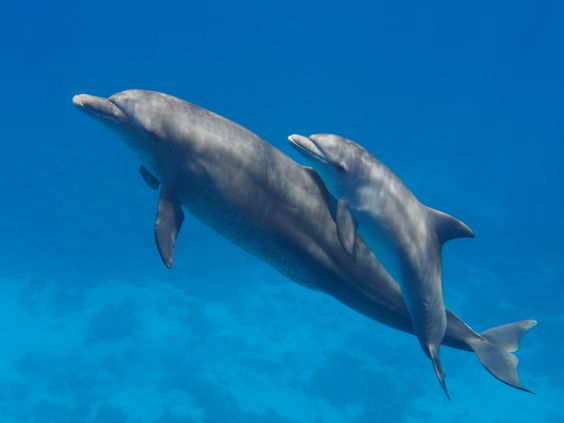
To truly grasp dolphin communication methods, we must shed our terrestrial biases. Sound travels roughly 4.5 times faster in water than in air, making the marine environment an exceptional medium for acoustic signaling. Consequently, evolutionary adaptation has made the auditory system the most vital sensory organ for cetaceans.
Dolphins do not possess vocal cords like humans; instead, they generate an astonishing array of sounds using an internal anatomical structure called phonic lips, located just beneath their blowhole, creating vibrations that are channeled into highly varied acoustic signals.
Dolphin Clicks and Whistles: The Acoustic Signature
Submerging a hydrophone into the waters of Bali reveals a continuous stream of audio activity. This stream is broadly categorized into two distinct vocalizations, each serving entirely different purposes in marine mammal communication:
- Signature Whistles: Every individual dolphin develops a unique frequency-modulated whistle during its first year of life that is as distinct as a human fingerprint. In essence, this acts as their “acoustic name.” Dolphins broadcast their signature whistles across massive oceanic expanses to maintain contact, announce their presence, express emotional states, and call for their mothers when separated from the group.
- Navigational Clicks: Unlike social whistles, these are short, rapid bursts of high-frequency sounds primarily utilized for spatial awareness, prey tracking, and environmental mapping.
The Sophisticated Dolphin Echolocation System
At the core of their survival toolkit is the biological marvel known as the dolphin echolocation system. Dolphins project focused clicks through their melon—the fatty, lens-shaped organ situated on their forehead—into the surrounding water column. When these sound waves strike an object, such as a reef structure or a school of fish, they bounce back.
The returning echoes are received through the dolphin’s fat-filled lower jawbone, which channels the vibrations directly to the middle ear and brain for visual processing. This organic sonar allows them to “see” a three-dimensional acoustic map of their environment, determining the size, shape, speed, texture, and even the internal density of an object in total darkness. From an objective scientific standpoint, this extreme reliance on acoustics explains why anthropogenic noise pollution—such as heavy vessel traffic or industrial sonar—is so deeply disruptive, as it can cause total disorientation and cripple their ability to forage.
Dolphin Social Behavior and High-Intelligence Group Interactions
The life of a dolphin is inseparable from its community. Dolphin social behavior is immensely complex, characterized by dynamic “fission-fusion” societies where group compositions change frequently throughout the day, showcasing social structures that parallel advanced primates and elephants.
Observing Dolphin Group Interactions in the Wild
In field research, dolphin group interactions reveal an extraordinary level of cooperation and role-sharing during foraging. For instance, when hunting, a pod coordinates seamlessly to corral a massive school of fish into a tight “bait ball.” Team members take turns charging through the center to feed while others maintain the perimeter to prevent the prey from escaping. This high-stakes coordination requires rapid, real-time vocal feedback. It proves that their vocalizations are not random reactive noises, but purposeful tactical exchanges. Without a high degree of mutual trust and precise communication, such complex collaborative strategies would fail entirely in the open sea.
Astounding Dolphin Intelligence Facts
Decades of scientific observation have yielded undeniable dolphin intelligence facts that continue to amaze the scientific community. Dolphins are among the very few species on Earth capable of passing the mirror self-recognition test, confirming advanced cognitive self-awareness. Furthermore, they demonstrate cultural transmission—such as passing down tool-use techniques across generations—and exhibit deep empathy. Pod members have been frequently observed staying by the side of a sick or injured companion, working together to keep them afloat at the surface so they do not drown. This high level of emotional and cognitive depth is exactly why illegal capture or unregulated exploitation causes severe psychological trauma to these animals.
The Critical Role of Dolphin Conservation Bali
In Bali, safeguarding marine habitats is executed through two complementary approaches: protecting natural habitats in the open sea (such as the waters of Lovina and Southern Bali) and managing licensed ex-situ conservation facilities dedicated to community awareness and animal rehabilitation.
Preserving Natural Habitats Through Understanding Dolphin Behavior
By advancing our collective understanding dolphin behavior, conservationists are establishing stricter codes of conduct for local boat captains and maritime tourism operators. When dozens of motorized outriggers aggressively chase a single pod for tourist entertainment, the acoustic masking created by the boat engines completely cripples the dolphins’ echolocation capabilities. This induces immense acoustic stress, disrupts vital resting periods, and disorients mothers from their calves. Ethical Dolphin Conservation Bali models dictate maintaining a safe distance of at least 100 meters, operating engines on low RPMs with no sudden maneuvers, and allowing the cetaceans to initiate interaction on their own terms.
Interactive Public Awarness at Bali Exotic Marine Park
Beyond wild habitat surveillance, structured scientific education is actively delivered through dedicated wildlife conservation and educational centers, such as the Bali Exotic Marine Park located in Pedungan, South Denpasar. As a fully permitted and regulated conservation institution, this facility features one of the largest saltwater lagoon pools in Indonesia, specifically engineered to replicate key aspects of the animals’ natural habitat, backed by routine veterinary health assessments.
Through programs like the Discovery Program (swimming and interacting directly in the water) and the Encounter Program (shallow-water interaction suitable for children and seniors), visitors are taught directly by professional animal care experts about dolphin anatomy, acoustics, and the environmental threats they face in the wild. This serves as a vital bridge for ocean conservation education, allowing the public to witness the sensitivity and intellect of these creatures firsthand while strictly adhering to international animal welfare standards. To read genuine traveler experiences and insights from both domestic and international visitors, you can explore their dedicated reviews on the TripAdvisor – Bali Exotic Marine Park page.
Frequently Asked Questions (FAQ)
What is the primary operational difference between dolphin clicks and whistles?
Whistles are frequency-modulated sounds used primarily for social interactions, emotional expression, and individual identification (functioning much like a name). Clicks, conversely, are directional, short, high-frequency acoustic bursts used exclusively within the dolphin echolocation system to navigate and map physical objects in their path.
Why is boat engine noise pollution dangerous to dolphins in Bali?
Because marine mammal communication relies entirely on an open, clear underwater acoustic landscape. Loud, aggressive boat engines create an artificial acoustic barrier that masks natural frequencies. This severely disrupts their echolocation system, induces chronic stress, and can permanently separate social units or mothers from their calves.
What do visitors learn through educational programs at Bali Exotic Marine Park?
Through targeted ocean conservation education, visitors gain a deep understanding of cetacean biology, the sensitivity of their auditory systems, and the urgent need to mitigate plastic pollution. These programs use guided, positive-reinforcement interactions designed to foster genuine empathy and respect for marine wildlife.
How can travelers contribute directly to Dolphin Conservation Bali?
Travelers can make a direct impact by choosing certified eco-conscious tour operators who respect safe distance boundaries in the wild, participating in beach cleanups, reducing plastic consumption, and sharing educational insights regarding marine mammal protection within their own communities.
Conclusion: Securing the Soundscape for Tomorrow’s Oceans
The language of the dolphin is an evolutionary masterpiece, proving how rich and interconnected life beneath the waves truly is. From localized signature whistles that establish individual identity to high-frequency echolocation grids, dolphins are the true sound engineers of the sea. Their presence serves as a crucial bio-indicator of the overall health of our marine ecosystems. Understanding their language and intelligence demands that we act with greater wisdom and responsibility.
Active engagement in Dolphin Conservation Bali—whether by supporting ethical wild dolphin-watching tours, reducing single-use plastic waste, or visiting authorized educational centers focused on conservation—is not an ecological trend; it is our shared global responsibility. By aligning eco-tourism, rigorous scientific research, and community involvement, we can ensure that the ocean’s acoustic symphony remains uninterrupted for generations to come.